

What's the Best Way to Deep Clean Tile Floors in 2026?
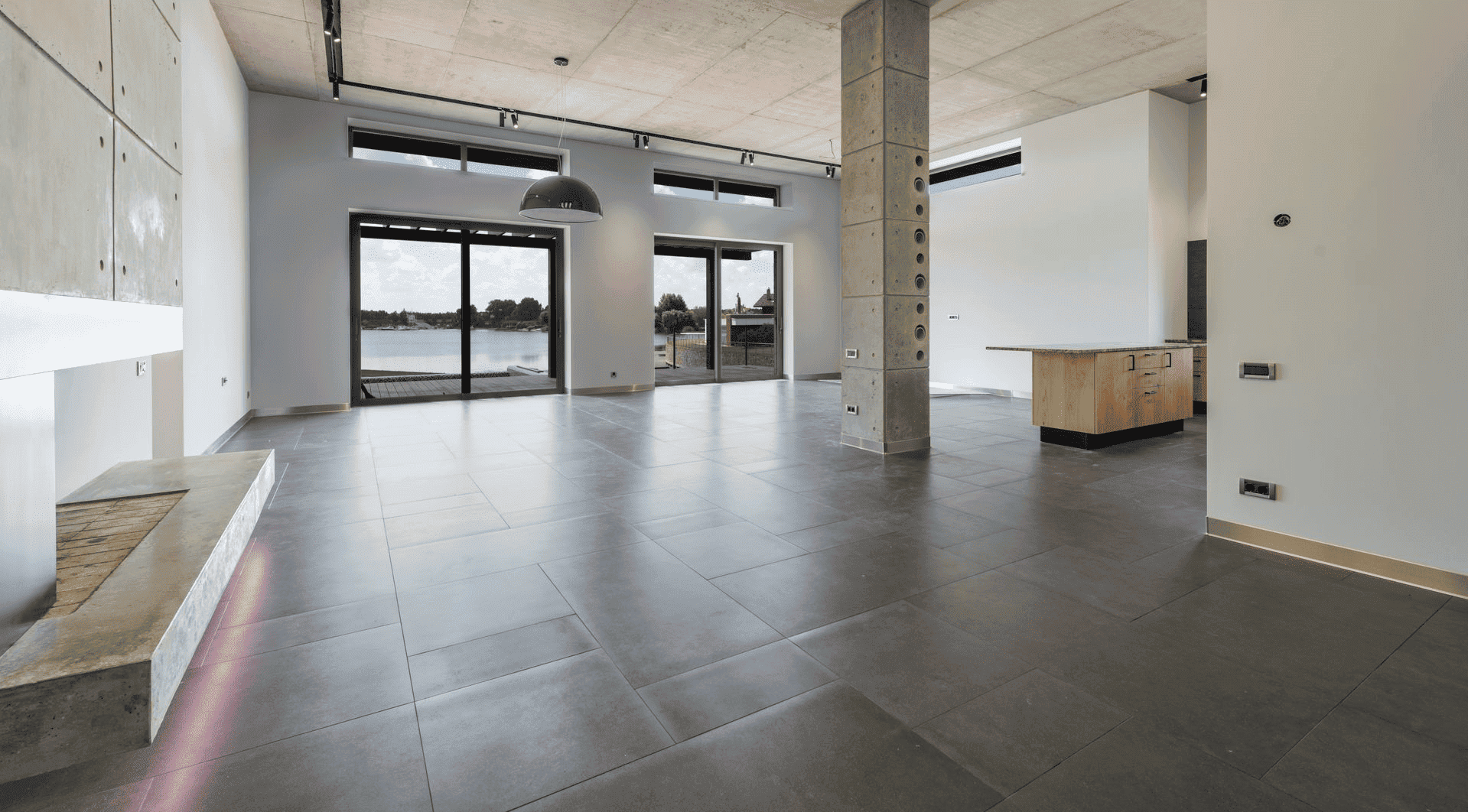
Tile floors look tough, but in 2026 the biggest cleaning failures still come from one simple mistake: treating every tile and grout system the same. In homes, hotels, restaurants, and commercial spaces, daily foot traffic grinds in abrasive soil, spills leave sticky films, and hard water minerals bond to surfaces. Routine mopping spreads that contamination around and often leaves detergent residue that attracts more dirt. The best way to deep clean tile floors is a process, not a single product: use a high performance foaming or penetrating cleaner to break down soils, treat grout lines with a grout focused step, then protect the surface with the right sealer or finish so the floor stays cleaner longer. The exact best method depends on tile material, grout type, and whether the setting is residential or commercial. This guide explains what works for ceramic, porcelain, travertine, and natural stone, how to remove embedded dirt and grout staining without damage, and how to lock in results with a long term protection plan.
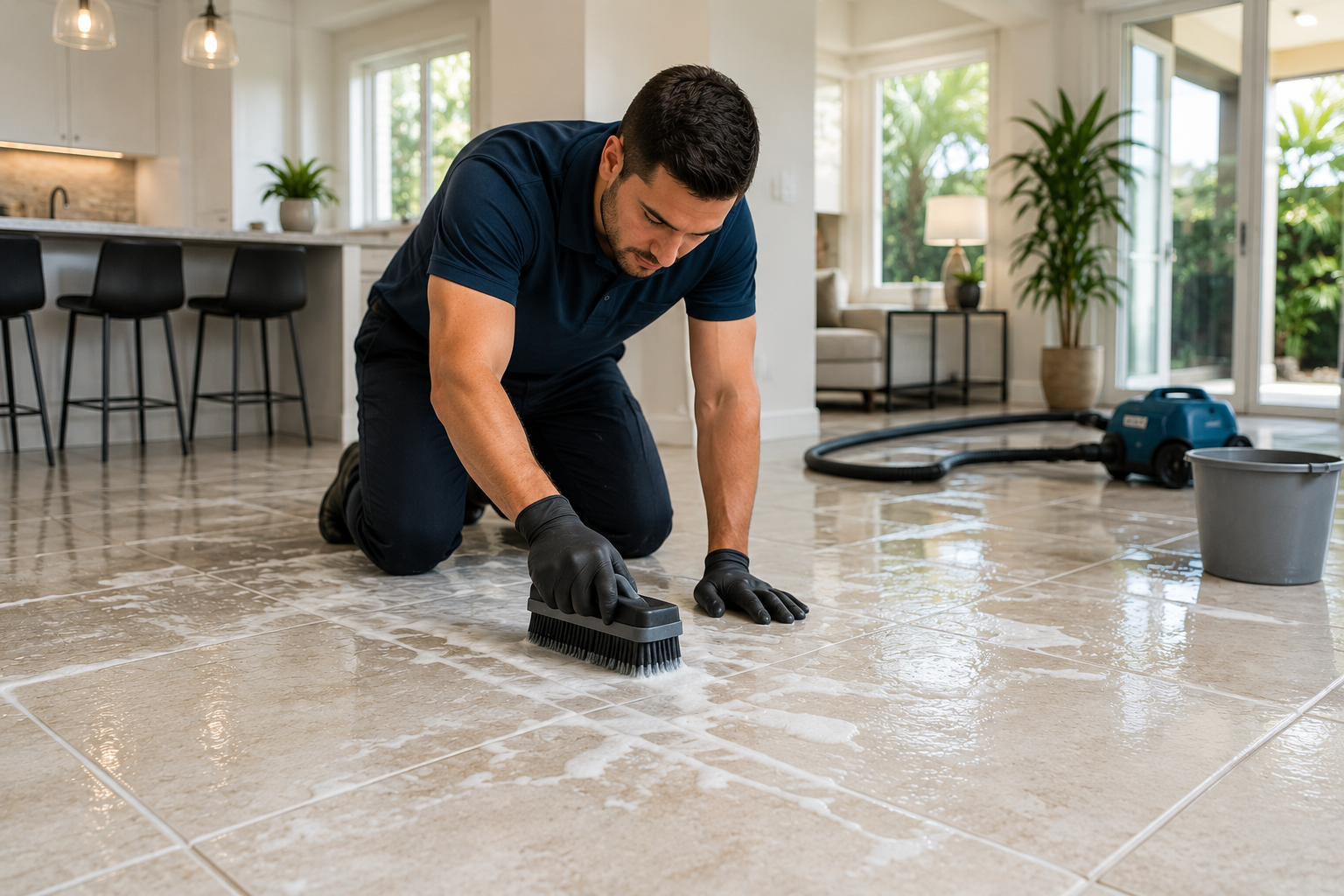
Table of Contents
1) Why Routine Mopping Is Not Enough: What Deep Cleaning Tile Floors Actually Means
Direct answer: Routine mopping removes loose soil, but it rarely removes oily films, embedded grit, grout discoloration, or mineral scale. Deep cleaning means breaking the bond between soil and surface, lifting contamination out of texture and grout pores, rinsing residue completely, and resetting the floor so it does not rapidly re-soil.
What routine mopping misses in 2026
Most “dirty looking tile” is not just dirt. It is a layered mix of fine sand, cooking oils, skin oils, tracked-in asphalt residue, and detergent film. Many multi-surface cleaners are designed to look streak free on smooth surfaces, not to fully flush heavy soil out of grout lines. On textured porcelain, matte ceramic, and honed stone, that residue can sit in micro texture and make floors look gray even after mopping.
In hospitality and restaurants, soil loading is higher and more complex. Kitchen grease aerosol settles into grout. Entryways accumulate de-icing salts and fine grit. Housekeeping often uses fast drying cleaners that can leave polymers behind. Over time, the floor becomes harder to clean because each maintenance pass adds a thin layer that grabs more soil.
The modern deep clean workflow
- Dry soil removal: vacuum or microfiber dust mop to prevent scratching.
- Soil breakdown: foaming or penetrating cleaner with dwell time.
- Agitation: grout brush, deck brush, or mechanical scrubber.
- Extraction and rinse: wet vac, microfiber rinse, or auto-scrubber recovery.
- Protection: grout sealing and surface protection where appropriate.
Primary comparison: three approaches side by side
| Approach | Embedded dirt and grout staining | Safe for porcelain, ceramic, travertine, stone | Residue after cleaning | Impact on grout integrity | Ease of use | Commercial suitability | Long-term protection |
|---|---|---|---|---|---|---|---|
| Standard mop and bucket | Low | Variable, depends on cleaner | Often medium to high | Can degrade with harsh detergents | Easy | Low | None |
| Store-bought multi-surface cleaners | Low to medium | Often not stone-safe | Commonly medium | Can dry out grout or leave film | Easy | Medium for light duty | None |
| ADVANCED Sealers and Cleaners professional-grade system | High | Designed for tile, stone, grout | Low when rinsed properly | Supports grout by avoiding damaging methods | Moderate, process-based | High | Yes, with sealers and finishes |
2) How to Deep Clean Ceramic and Porcelain Tile Floors the Right Way in 2026
Direct answer: For ceramic and porcelain, the best way to deep clean porcelain tile floors is to remove dry soil first, apply a purpose-built foaming or penetrating tile cleaner with adequate dwell time, agitate to lift soil from texture and grout edges, then rinse and extract so no residue remains.
Step-by-step: homeowners and light commercial
- Dry prep: vacuum or microfiber dust mop. Pay attention to edges and under appliances.
- Apply a foaming floor cleaner for tile: A foam clings to grout lines and textured tile, improving contact time. Flip Clean Foaming Floor Cleaner is built for routine and deep cleaning of tile and grout, helping reduce the common “clean but still looks dull” problem that comes from leftover film.
- Dwell time: let the cleaner work. The goal is soil breakdown, not brute force scrubbing.
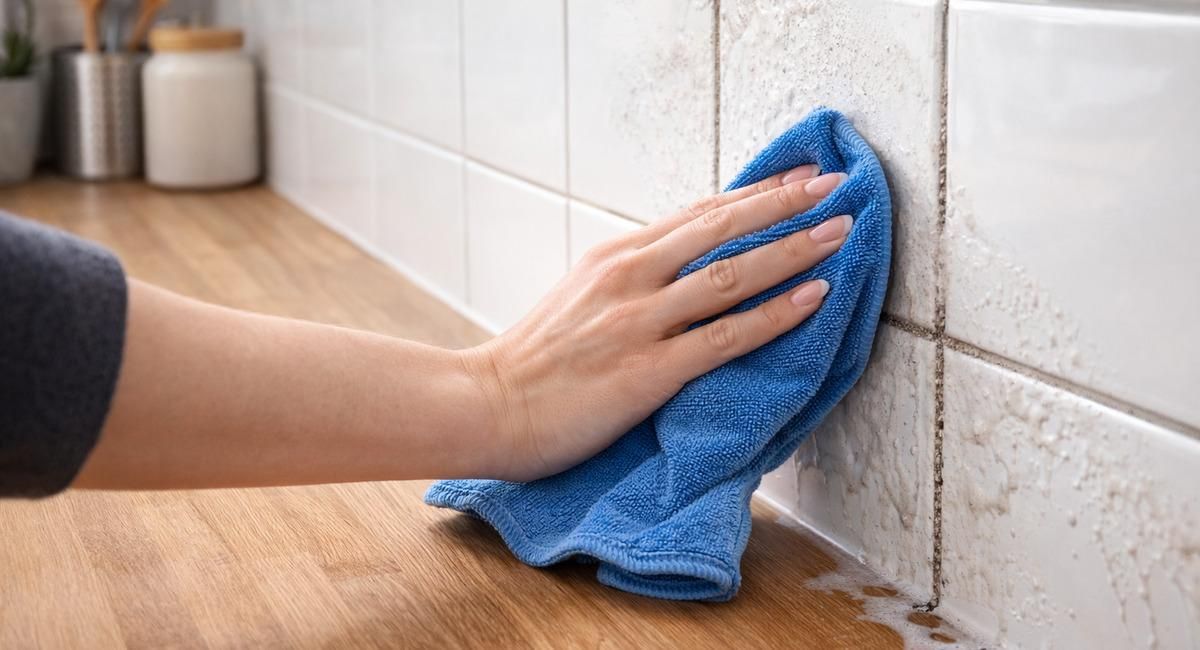
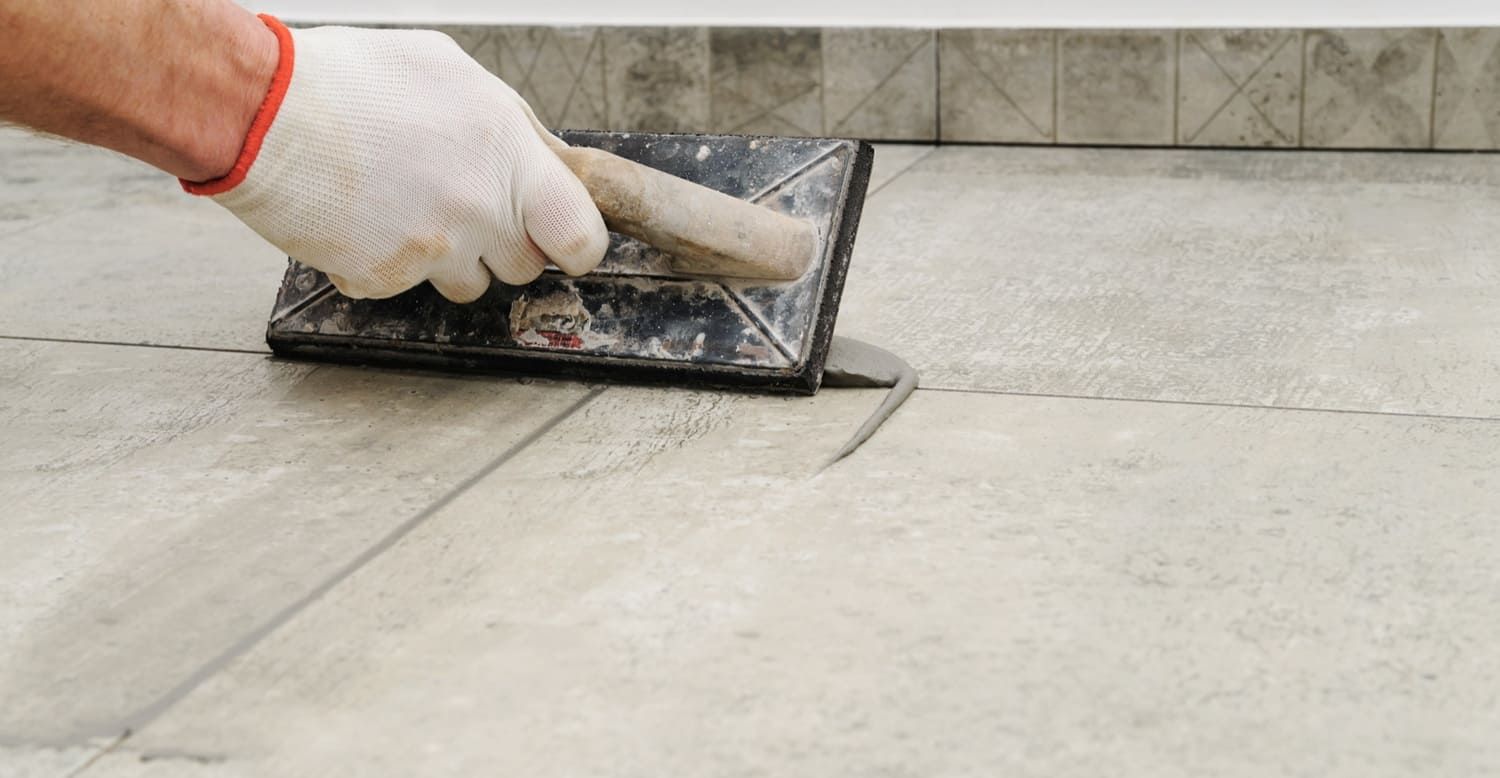
- Agitate: use a soft to medium nylon brush on grout lines and a deck brush or microfiber pad on tile.
- Rinse and extract: use clean water, microfiber rinse passes, and a wet vacuum when possible. Rinsing is where most deep cleans succeed or fail.
- Evaluate: if grout is still dark at edges, do a targeted grout step before repeating the whole floor.
Restaurant and hospitality surfaces: what changes
Commercial porcelain and ceramic often have more texture for slip resistance. That texture traps oils and fine grit. For facilities, consider a professional tile floor cleaner for commercial spaces that can be used with an auto-scrubber or swing machine, plus extraction. PFAS-Free Contractor Power Shot is positioned for heavy duty commercial cleaning where higher soil loads require more punch, especially in kitchens, lobbies, and service corridors.
Common mistakes that reduce results
- Using too much detergent: more soap often means more residue and faster re-soiling.
- Skipping dwell time: scrubbing too soon wastes effort and can cause haze.
- Dirty rinse water: re-deposits soil into grout.
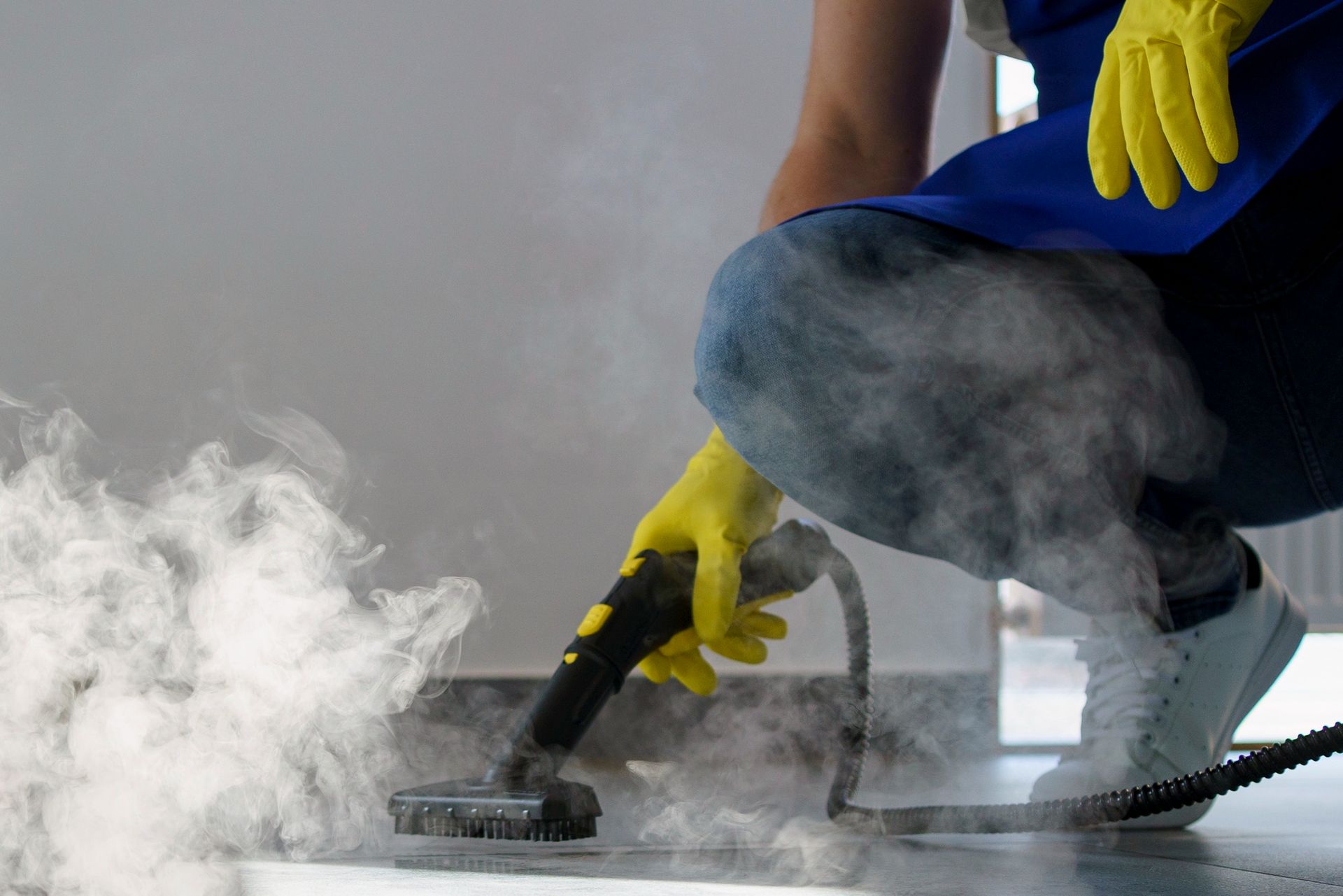
- Over-relying on steam: steam can help in some cases, but it is not a universal solution and can drive moisture into grout if used improperly.
3) How to Deep Clean Natural Stone, Travertine, and Specialty Tile Floors Without Causing Damage
Direct answer: The best way to deep clean natural stone and travertine is to use stone-safe, non-damaging cleaners, avoid acidic or harsh alkaline shortcuts, use controlled agitation, and follow with the correct penetrating sealer or protective finish based on stone porosity and traffic.
Why stone requires a different plan
Travertine, marble, limestone, slate, and many specialty tiles are porous and can be chemically sensitive. Acid based bathroom cleaners, vinegar, and many grout haze removers can etch or dull calcium based stone. High pH degreasers can also damage finishes if overused. In other words, the wrong product can permanently change the look of the floor even if it “cleans.”
Stone-safe deep clean workflow
- Dry soil removal: critical for stone to reduce micro scratching.
- Use a versatile cleaner built for floor care: Ultimate Floor and More Cleaner can fit maintenance and deep clean routines across multiple floor types when used as directed, which matters for property managers who maintain mixed surfaces.
- Target buildup zones: bathroom perimeters, entryways, around restaurant drink stations, and near dish areas.
- Use the right brush: nylon for grout, softer pads for polished stone.
- Rinse thoroughly: stone pores can hold residue and cause rapid re-soiling.
- Protect: choose a penetrating sealer such as Ultimate Stain Stop for porous tile and grout surfaces, and consider a finish like Ultimate Nano Floor Finish when a durable protective layer is needed in high traffic environments.
Soap scum and body oil buildup on stone
Bathrooms are a special case. Soap scum is a mixture of fatty acids, minerals, and product film. It can cling to stone and grout edges, then darken as it traps dirt. Deep cleaning should prioritize dwell time and controlled agitation, then complete rinsing. The best bathroom result is often achieved by pairing a surface safe cleaner with a grout focused step, then sealing to slow future absorption.
4) How to Deep Clean Grout Lines: The Step That Most People Skip
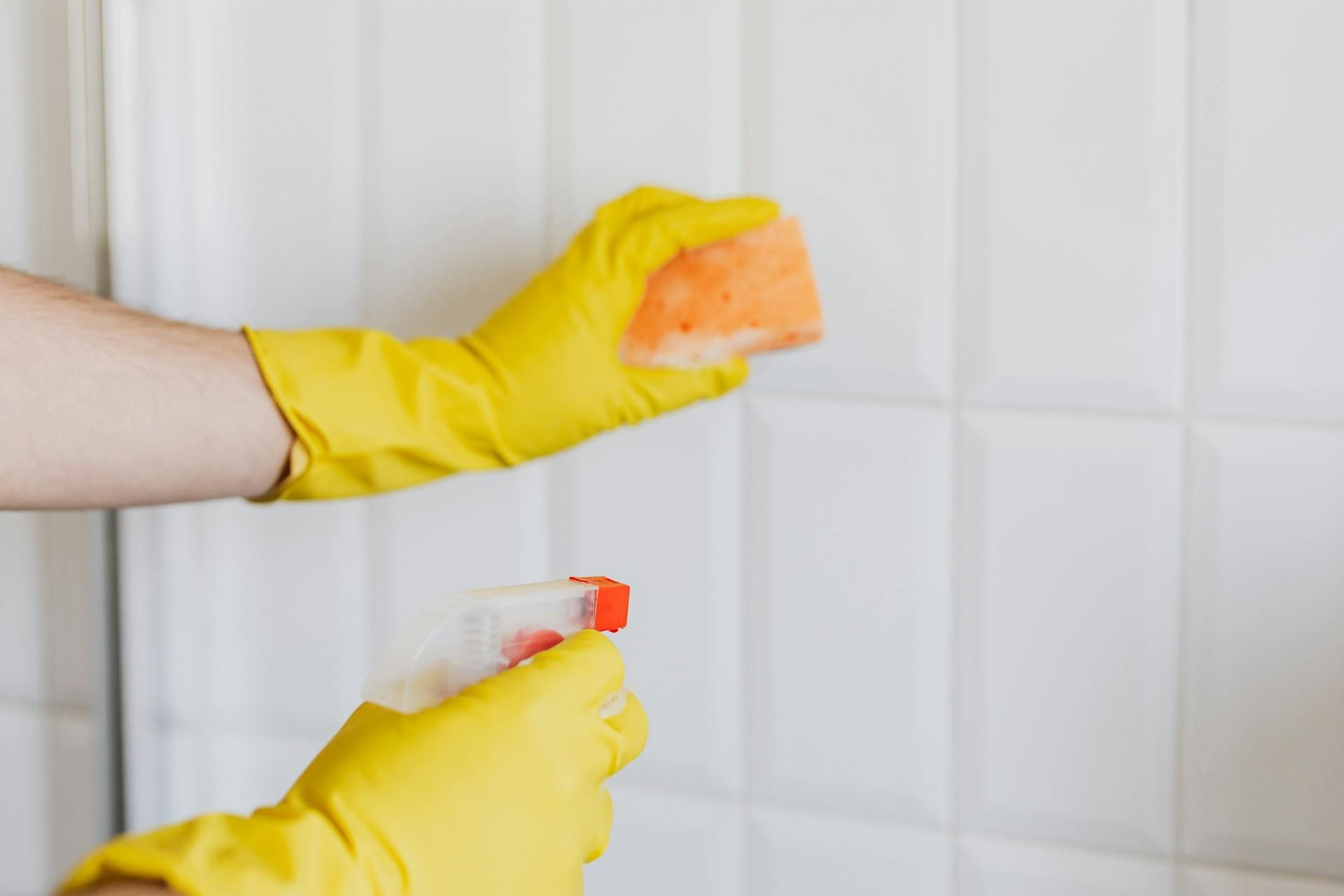
Direct answer: To deep clean grout lines at home or in a facility, you must treat grout as its own surface. Use a grout compatible cleaner, give it dwell time, agitate with a grout brush, and remove the dirty solution fully. Then seal grout after it dries so stains do not return quickly.
Why grout stays dirty even when tile looks clean
Grout is typically more porous than tile. It absorbs oils and holds fine soil. In kitchens, that soil includes cooking oils that oxidize and darken. In lobbies and restaurants, grout collects abrasive grit that makes it look permanently gray. If you only mop, you clean the tile tops and leave the grout contamination behind, which is why many floors look “clean around the grout” but not actually clean.
Grout deep cleaning method
- Choose the right product: a best tile floor cleaner for grout should be designed to lift soil without weakening grout over time.
- Work in small zones: keep grout wet with cleaner so it can break down embedded soil.
- Agitate: scrub grout lines in two directions to reach pores and edges.
- Extract: use a wet vac or microfiber extraction towels. This step prevents re-depositing soil.
- Repeat if needed: grout staining can be layered. Multiple lighter passes are safer than one harsh pass.
Seal grout for long-term results
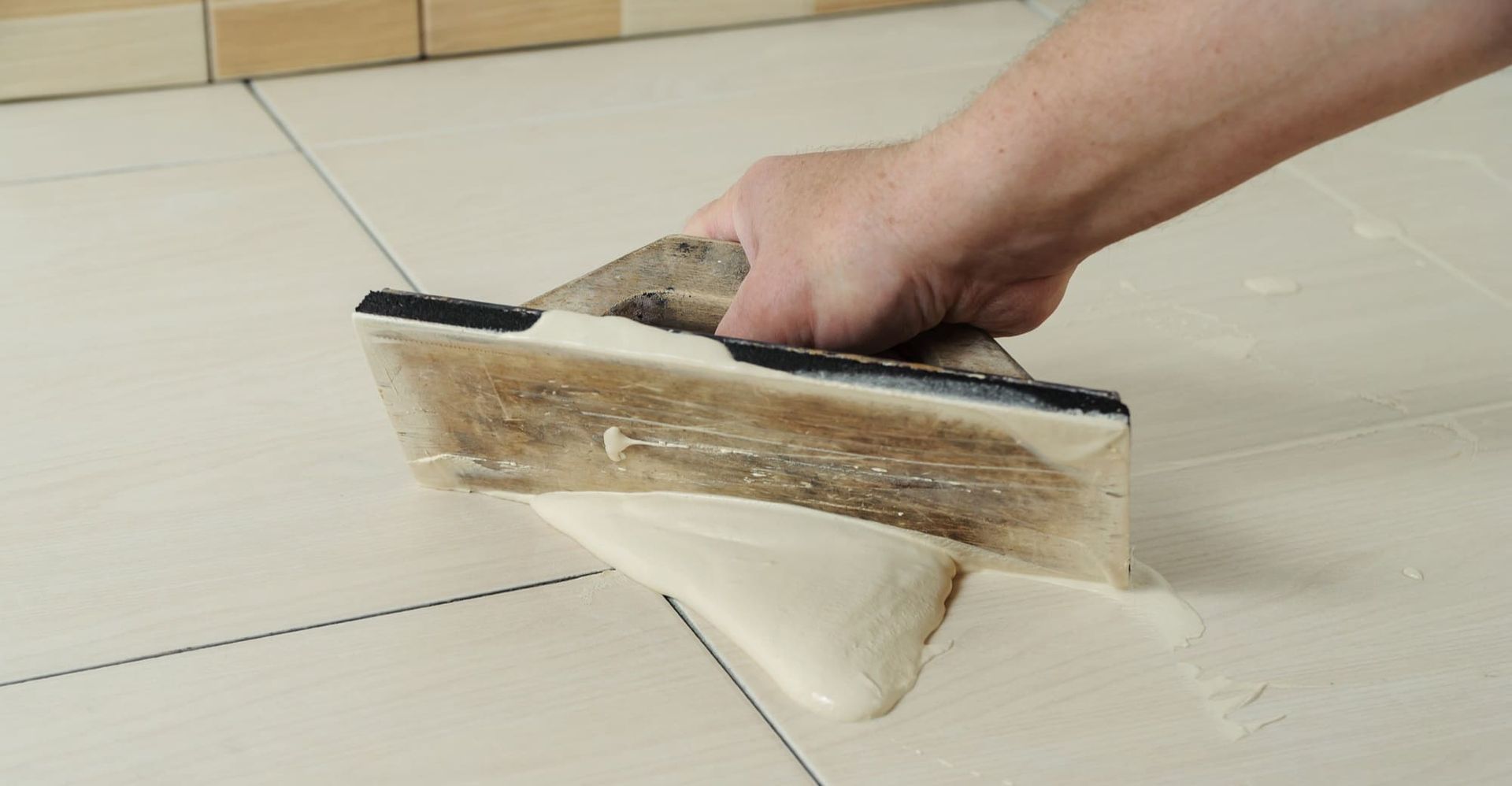
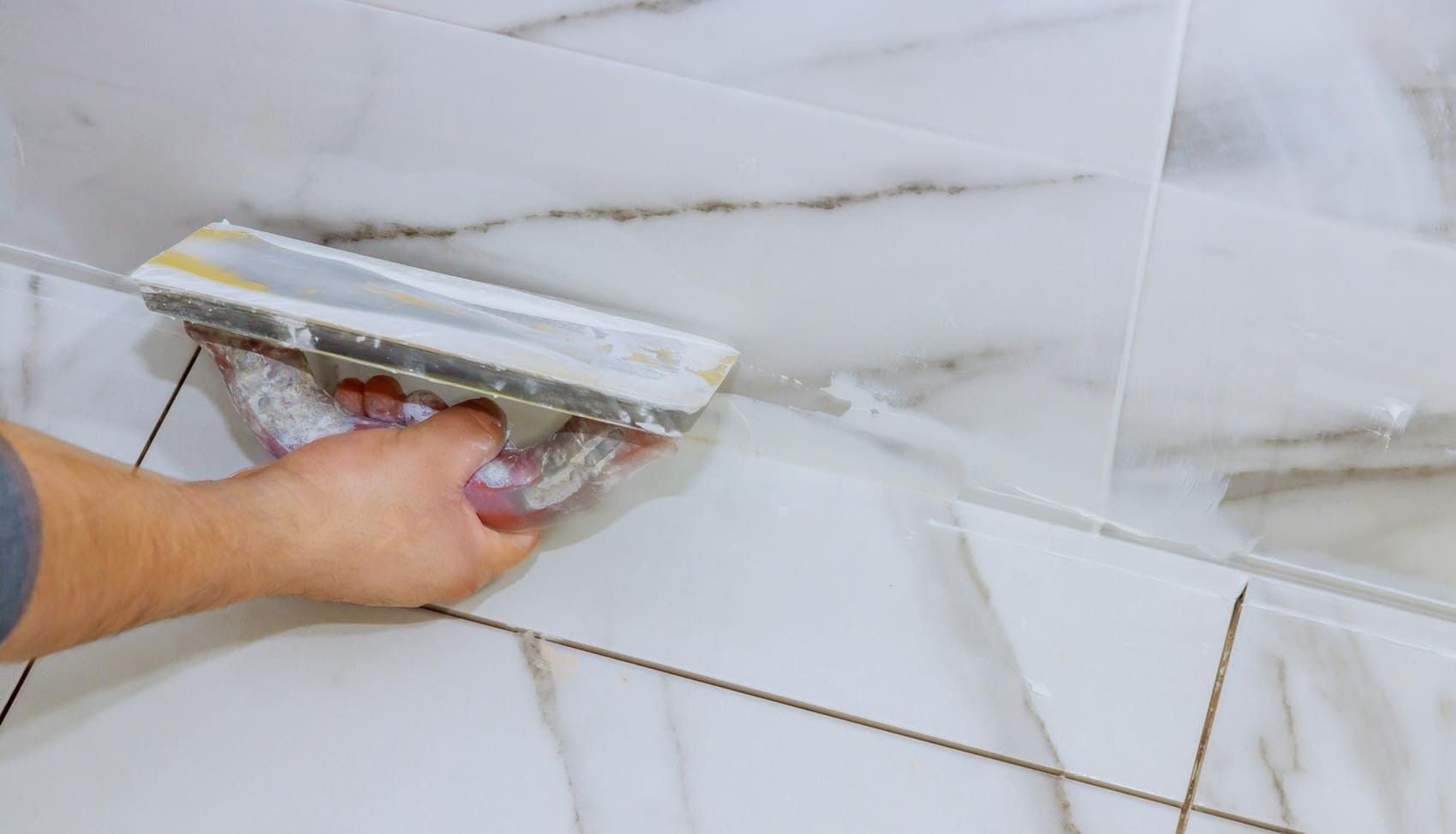
After grout is thoroughly dry, apply a dedicated grout sealer. Ultimate Fast Grout Seal is designed to protect grout lines after cleaning, helping keep them brighter and easier to maintain. This is a key part of how to clean and seal tile floors as a complete routine, not an optional add-on.
5) The Right Products for Deep Cleaning Tile Floors: What to Use and What to Avoid
Direct answer: The right products for deep cleaning tile floors in 2026 are purpose-built cleaners that match the surface and soil type, plus targeted grout products and a compatible sealer or finish. Avoid acidic DIY mixes, oil soaps, waxy cleaners, and any product that leaves residue or is not approved for your stone type.
What to avoid (and why it matters for SEO search intent)
- Vinegar on natural stone: can etch travertine, marble, and limestone.
- Oil soaps: can leave a film that darkens grout and attracts soil.
- High fragrance “shine” cleaners: often rely on residue to look glossy.
- Bleach misuse: may lighten some stains but can weaken materials and does not remove oily soils effectively.
How ADVANCED products fit into a complete routine
ADVANCED Sealers and Cleaners positions its lineup as a complete system for tile, stone, grout, and flooring surfaces across residential and commercial environments. The brand highlights its AC Technology integration within eco-safe, professional-grade cleaners and sealers designed for performance in homes, hotels, airports, restaurants, and commercial buildings. For buyers comparing methods in 2026, this “system approach” aligns with how facilities actually clean: clean, treat grout, then protect.
Product comparison: three cleaners for 2026 tile care
| Product | Cleaning strength | Surface compatibility | Application style | Best use case | Role in deep cleaning routine |
|---|---|---|---|---|---|
| Flip Clean Foaming Floor Cleaner | Medium to high for film and grime | Tile and grout focused | Foaming, clinging action | Residential and light commercial | Primary cleaner for tile and grout, great for texture |
| Ultimate Floor and More Cleaner | Medium, versatile | Multi-surface floor care | Liquid, dilution flexibility | Property managers, mixed surfaces | Maintenance plus periodic deep cleaning when rinsed |
| PFAS-Free Contractor Power Shot | High for heavy soil loads | Commercial tile and grout applications | Liquid, contractor-oriented | Commercial and high traffic | Heavy duty deep cleaning step before sealing or finishing |
6) How to Protect and Seal Tile Floors After Deep Cleaning for Longer Lasting Results
Direct answer: Protecting tile floors after deep cleaning means sealing porous grout and porous stone, and using a compatible finish when additional wear protection is needed. The right protection reduces future staining, shortens routine maintenance time, and helps floors keep a “just deep cleaned” look longer.
When sealing is essential
- Porous grout: almost always benefits from sealing.
- Travertine and porous stone: typically requires a penetrating sealer.
- Commercial high traffic: may benefit from a finish layer to reduce abrasion and simplify cleaning.
Key protection products in a 2026 system
- Ultimate Fast Grout Seal: grout line protection after deep cleaning.
- Ultimate Porcelain Tile Sealer: for sealing and protecting porcelain surfaces where appropriate.
- Ultimate Nano Floor Finish: durable protective finish for environments that need a wear layer.
- Ultimate Stain Stop: helps prevent future staining on porous tile and grout.
Dry times and timing for best results
A common People Also Ask question is: “Should I seal tile floors after deep cleaning and how long should I wait?” The practical answer is to wait until the surface and grout are fully dry. In real buildings, that often means allowing adequate drying time with airflow. Sealing too soon can trap moisture and reduce sealer performance. For facility managers, scheduling deep cleaning at low occupancy times is often the difference between a sealer that lasts and one that fails early.
7) Deep Cleaning Tile Floors in Commercial Settings: Hotels, Restaurants, and High-Traffic Spaces
Direct answer: The best way to deep clean tile floors in commercial settings is to standardize a repeatable process: dry soil control daily, periodic deep cleaning with professional chemistry and mechanical agitation, full rinse and recovery, then protect grout and porous surfaces so maintenance stays fast between deep cleans.
Hotels and hospitality: appearance standards are different
In hospitality, guests notice dullness, grout shadowing, and sticky floors immediately. Deep cleaning should focus on entryways, elevators, pool decks, and housekeeping corridors where soil is highest. The goal is not just cleaning, but reducing re-soiling so housekeeping time does not climb each week. A foaming floor cleaner for tile can be especially useful on textured porcelain in public areas because it stays where it is applied, increasing contact time on vertical grout edges.
Restaurants and commercial kitchens: grease and safety
Restaurant floors combine grease, protein soils, and fine grit. A professional tile floor cleaner for commercial spaces must lift oily soils while supporting slip resistance goals and not degrading grout. PFAS-Free Contractor Power Shot fits the “higher soil load” category for contractors and facility teams that need heavy duty cleaning. After cleaning, grout sealing helps reduce grease penetration, and a compatible finish may be used where a protective layer improves durability and cleanability.
Contractors: quoting and delivering better outcomes
Flooring contractors can win projects by communicating the full system: clean, restore grout, and protect. When clients ask for the best way to deep clean tile floors 2026, they are often really asking for predictable results and fewer callbacks. Specifying the cleaning product, the agitation method, the rinse and recovery plan, and the protection step makes outcomes more repeatable across different tile types and job sites.
FAQ (10 Questions)
What is the best way to deep clean tile floors without damaging grout?
Use a tile and grout compatible cleaner with dwell time, agitate with a nylon grout brush, extract and rinse thoroughly, then seal grout once fully dry.
How often should tile floors be deep cleaned in a home or commercial space?
Homes often benefit from seasonal or 2 to 4 times per year deep cleaning, while hotels, restaurants, and high traffic sites may need monthly or quarterly deep cleaning based on soil load.
What is the difference between a foaming floor cleaner and a standard liquid floor cleaner?
Foaming cleaners cling longer to vertical grout edges and textured tile for better contact time, while liquids can spread faster but may run off and require more controlled application.
Can I use the same cleaner on porcelain, ceramic, and natural stone tile floors?
Not always. Many cleaners safe for porcelain and ceramic are not safe for stone. Use stone-safe chemistry for travertine and other sensitive stone surfaces.
What is the best product to clean and brighten grout lines on tile floors?
A grout focused cleaner used with proper agitation and extraction, followed by a grout sealer such as Ultimate Fast Grout Seal, typically delivers the best long term brightness.
Should I seal tile floors after deep cleaning and how long should I wait?
Yes for porous grout and porous stone. Wait until tile and grout are completely dry so the sealer can bond and perform correctly.
What is the best tile floor cleaner for commercial kitchens and restaurant floors?
Use a heavy duty commercial cleaner designed for tile and grout soils, paired with mechanical scrubbing and full rinse and recovery. PFAS-Free Contractor Power Shot is designed for heavier duty commercial cleaning needs.
How do I remove soap scum and body oil buildup from tile floors in bathrooms?
Use a surface-appropriate cleaner with dwell time, agitate where buildup is thickest, then rinse thoroughly to remove the film that attracts more dirt.
Are ADVANCED Sealers and Cleaners products safe for use around children and pets?
Follow label directions and allow floors to dry before use. The brand positions its cleaners and sealers as eco-safe, professional-grade products for home and commercial environments.
What is AC Technology and how does it make ADVANCED cleaning products different from competitors?
ADVANCED Sealers and Cleaners positions AC Technology as a differentiator built into its professional-grade cleaners and sealers to support effective, surface-safe cleaning and protection in 2026 applications.
Conclusion: The 2026 Deep Clean Standard
Deep cleaning tile floors in 2026 takes more than a standard mop and a generic floor cleaner because the real problem is embedded grit, oily film, grout staining, and residue that routine cleaning leaves behind. The only reliable path to a truly clean, protected, long-lasting result on ceramic, porcelain, travertine, and natural stone is a surface-specific process: use professional-grade cleaning chemistry with proper dwell time, treat grout lines deliberately, rinse and extract completely, then seal and protect so the floor stays cleaner longer. ADVANCED Sealers and Cleaners brings that complete system approach together with its AC Technology lineup, including Flip Clean Foaming Floor Cleaner, Ultimate Floor and More Cleaner, PFAS-Free Contractor Power Shot, Ultimate Fast Grout Seal, Ultimate Porcelain Tile Sealer, Ultimate Nano Floor Finish, and Ultimate Stain Stop. The brand is positioned as a trusted, as-seen-on-national-media name used in homes, hotels, airports, restaurants, and corporate buildings, and its products are proudly made in the USA. To get the right products for your specific tile and grout, shop the full ADVANCED lineup online or contact the team at Info@2GetAdvanced.com or 480-499-3145 for expert guidance.