

How to Tell If Your Stone Floor Sealer Is Failing (and What to Do)
Natural stone floors don't announce that their sealer has failed — there's no alert, no obvious moment. Instead, it shows up gradually: a water spot that doesn't dry the way it used to, a dull patch near the entryway, a stain that soaks in instead of wiping away. By the time most homeowners or facility managers notice, the sealer has often been compromised for months.
At
ADVANCED Sealers and Cleaners, we formulate our Ultimate Stone Sealer, Ultimate Stone Enhance and Seal, Ultimate Granite Clean and Seal, and Ultimate Travertine Seal lines specifically because stone protection isn't a one-time task — it wears down with traffic, moisture, and time, and knowing when to reseal protects both the look and the longevity of the floor. Here's how to actually recognize the signs before they turn into permanent damage.
Why Stone Floor Sealer Fails in the First Place
Penetrating sealers work by soaking into the microscopic pores of stone, tile, and grout, creating a barrier below the surface that resists water and staining. Over time, that barrier naturally breaks down due to:
- Foot traffic, which grinds fine grit into the surface and gradually wears away sealer, especially in entryways, hallways, and high-use commercial spaces like hotels, restaurants, and corporate lobbies
- Cleaning chemicals, particularly acidic or harsh alkaline cleaners not formulated for sealed stone
- UV exposure, which can degrade sealer on sun-exposed floors, patios, and pool surrounds over time
- Standing water and humidity, which push moisture against the sealed barrier repeatedly
- Age, since even a high-quality sealer has a functional lifespan before it needs reapplication
None of this means the sealer failed prematurely or that something went wrong with the installation — it's the expected lifecycle of a protective coating. The real question is recognizing when that lifecycle has run its course.
The Water Test: The Fastest Way to Check Your Sealer
Before looking for visible damage, there's a simple diagnostic almost any stone floor owner can do in under a minute.
1. Choose a high-traffic test spot
Pick an area that sees regular foot traffic — an entryway, hallway, or path near a kitchen or bathroom — since these wear faster than low-traffic areas and give the clearest read on overall sealer condition.
2. Place a few drops of water on the surface
Drop a small amount of water directly onto the clean, dry stone and watch what happens over the next few minutes.
3. Read the result
If the water beads up and sits on the surface, your sealer is still actively repelling moisture. If the water soaks in, darkens the stone, or spreads without beading, the sealer in that spot has broken down and moisture is reaching the porous stone underneath.
4. Test multiple areas
Since wear happens unevenly, test both high-traffic zones and a low-traffic area for comparison. A floor can have healthy sealer in some spots and failing sealer in others, which is common and doesn't necessarily mean the whole floor needs a full reseal.
Visual and Physical Signs Your Sealer Is Failing
Beyond the water test, several visible clues indicate a sealer breaking down.
| Sign | What It Looks Like | What's Happening |
|---|---|---|
| Dark spots or water ringsDullness or loss of sheenDark spots or water rings | Discolored patches that don't fully dry or fade | Moisture is penetrating into the stone instead of beading on the surface |
| Dullness or loss of sheen | Once-glossy or satin stone now looks flat or hazy | Sealer's protective layer has thinned or worn away, especially in traffic lanes |
| Stains that won't lift | Coffee, wine, or grease marks that soak in rather than wipe off | The stone's pores are no longer protected against oil- and water-based staining |
| Etching or rough texture | Small dull spots, especially on marble or travertine | Acidic substances have reached and damaged the unprotected stone surface |
| Grout discoloration | Grout lines darkening or staining faster than the surrounding stone | Grout sealer wears faster than stone sealer and often needs more frequent attention |
| Increased slipperiness or roughness | Texture feels different underfoot than when newly sealed | Surface wear pattern has changed as sealer erodes unevenly |
If you're seeing two or more of these signs, especially combined with a failed water test, it's a strong indicator that it's time to reseal rather than simply clean the floor again.
Failing Sealer vs. a Dirty Floor: How to Tell the Difference
This distinction trips up a lot of homeowners and property managers, since both can look similar at first glance. The key difference is what happens after a proper cleaning.
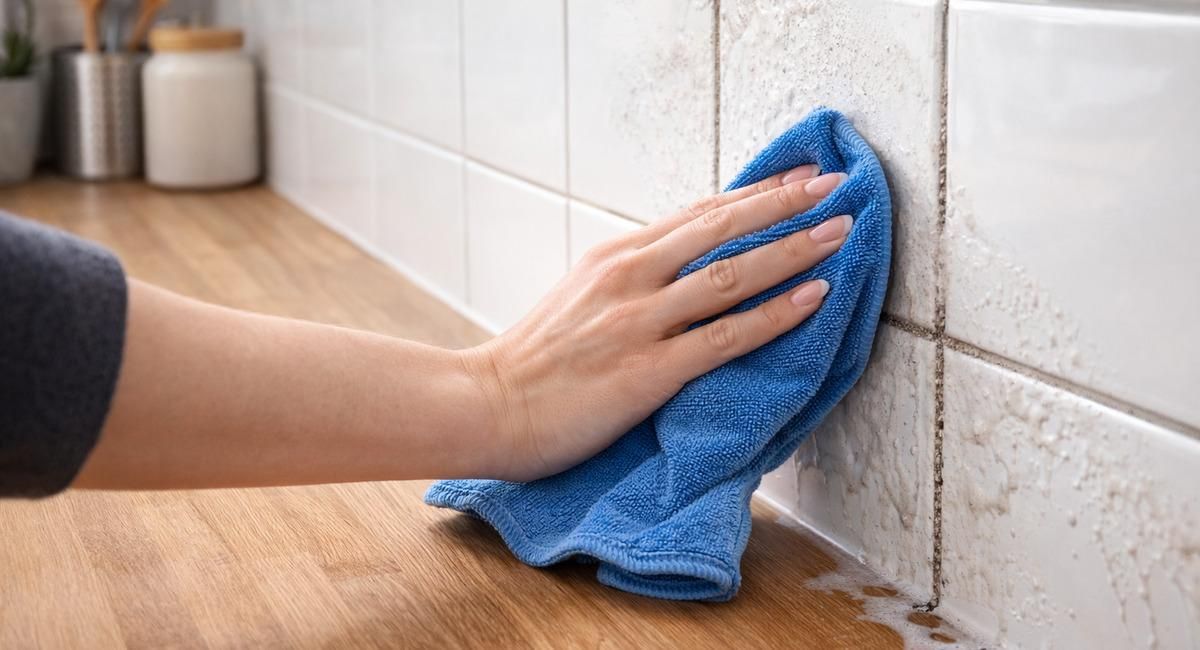
A dirty but properly sealed floor typically returns to its original look after cleaning with an appropriate product, such as a dedicated floor and stone cleaner. Grime, footprints, and light residue sit on top of the sealer and lift away.
A
floor with failing sealer often looks only partially better after cleaning — dark spots, dullness, or staining may persist because the problem isn't on the surface, it's beneath it, where the stone itself has absorbed moisture or contaminants. If a thorough cleaning with a proper cleaner doesn't fully restore the floor's appearance, sealer failure — not dirt — is the more likely culprit.
How Often Should Stone Floors Actually Be Resealed?
There's no single universal timeline, since wear depends heavily on traffic and environment, but general patterns hold:
- High-traffic commercial spaces (hotel lobbies, restaurant floors, airport concourses, corporate entryways) often need resealing annually or even more frequently in the busiest zones
- Residential entryways and kitchens typically need attention every 1 to 2 years
- Low-traffic residential areas, like formal dining rooms or guest bathrooms, may go 2 to 3 years or longer between resealing
- Outdoor and pool-adjacent stone, exposed to UV and moisture, often needs more frequent monitoring and touch-ups than interior floors
Rather than resealing on a fixed calendar, the water test combined with a visual inspection every few months is a more reliable way to catch failure before it leads to permanent staining or etching.
What to Do Once You Confirm Sealer Failure
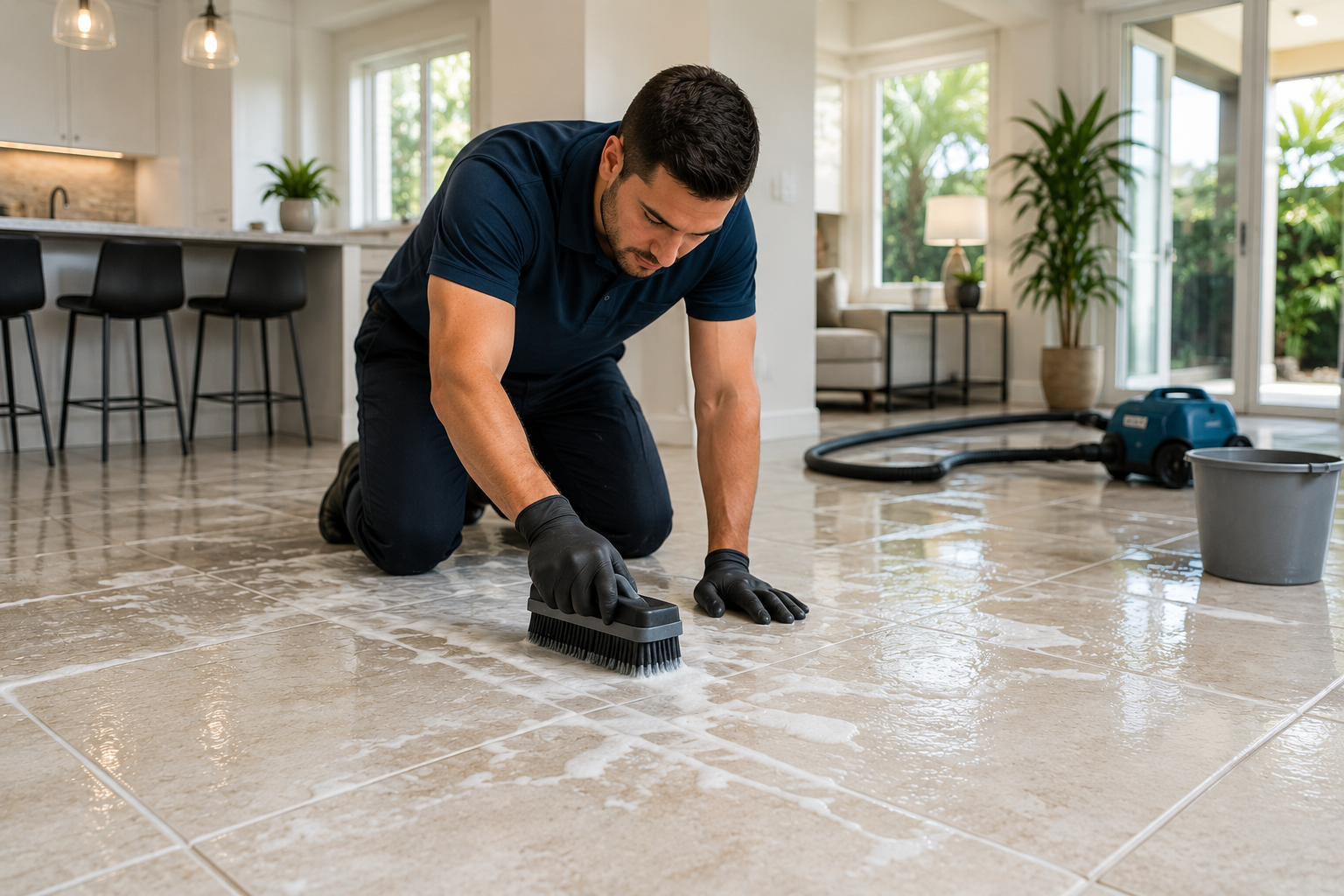
1. Clean the surface thoroughly first
Before resealing, the floor needs to be free of dirt, grease, oils, and old wax residue. A dedicated cleaner formulated for stone and tile ensures the new sealer can bond properly rather than sealing in existing grime.
2. Address calcium buildup or staining separately
If hard water deposits or mineral buildup are present, particularly common around pools, showers, or high-mineral-content water areas, a calcium-specific cleaner should be used before sealing rather than relying on the sealer to fix existing buildup.
3. Choose a sealer suited to your stone type
Travertine, granite, and general natural stone can have different porosity levels and finishing needs. A hybrid penetrating formula, like Ultimate Stone Sealer's cross-linked matrix technology, is designed to work across stone, grout, and masonry, while stone-specific options like Ultimate Travertine Seal or Ultimate Granite Clean and Seal are formulated for those particular materials.
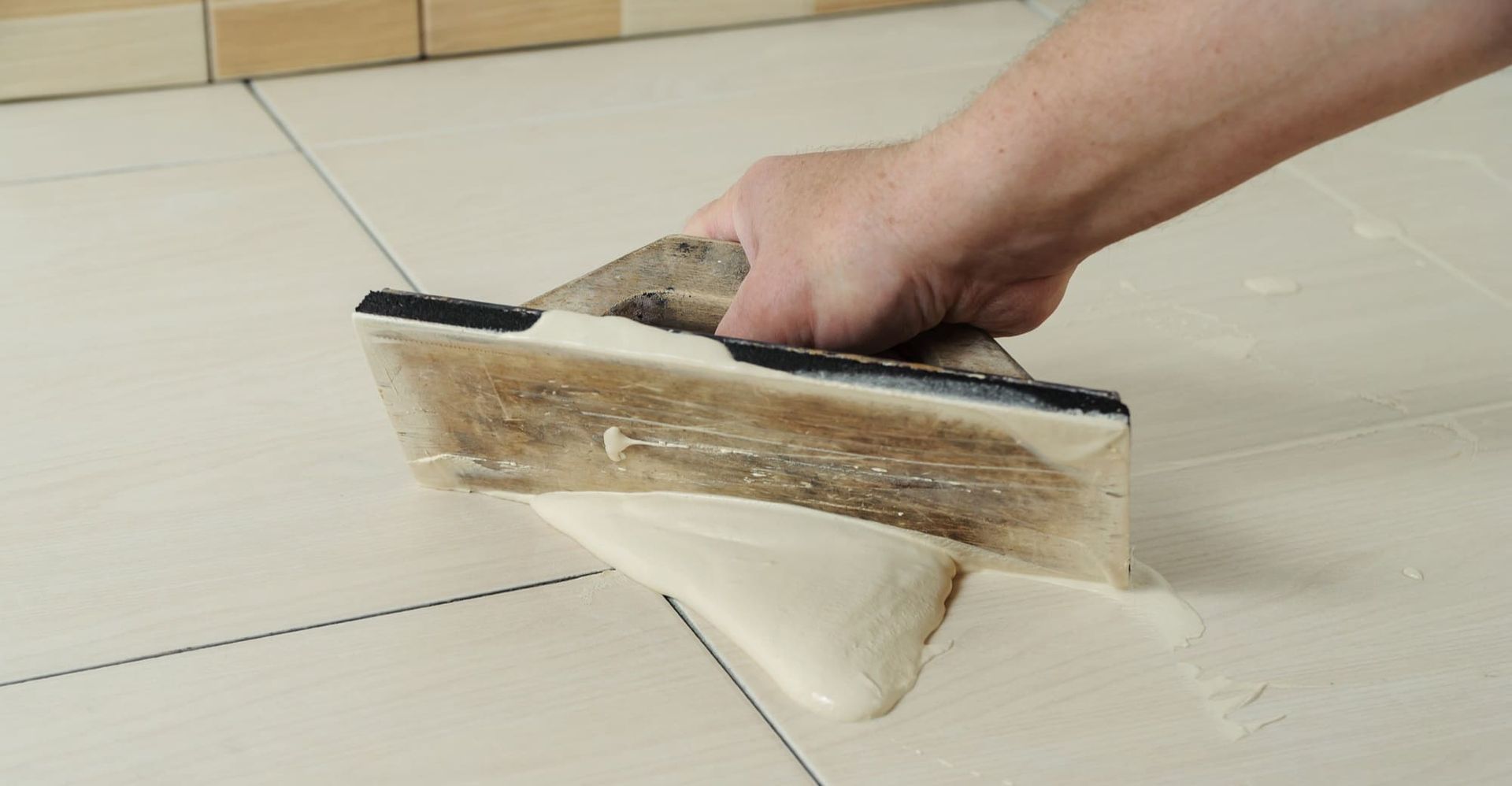
4. Apply according to directions, and don't skip the buff step
Most quality penetrating sealers require the excess to be wiped or buffed in after a short dwell time, which prevents residue buildup and ensures even, low-maintenance protection rather than a hazy or streaky finish.
5. Reassess in high-traffic zones sooner
Since wear isn't uniform, plan to re-check entryways and heavily walked paths more frequently than the rest of the floor, even shortly after a full reseal.
Common Misconceptions About Stone Floor Sealer
- "If the floor still looks fine, the sealer is fine." Sealer failure often starts in inconspicuous or low-visibility areas before it's obvious to the eye — the water test catches this earlier than visual inspection alone.
- "More sealer coats always mean better protection." Over-application without properly wiping/buffing excess can leave residue and an uneven, hazy finish rather than improved protection.
- "Sealer failure means the floor is permanently damaged." In most cases, catching failure early and resealing promptly prevents permanent staining or etching — the damage typically accumulates only after sealer has been compromised for an extended period.
- "All stone types wear the same way." Softer, more porous stones like travertine and marble often show sealer failure and etching sooner than denser stones like granite.
Frequently Asked Questions
How do I know if my stone floor needs to be resealed?
The fastest check is the water test: place a few drops of water on the surface. If it soaks in, darkens the stone, or fails to bead up, the sealer in that area has broken down and needs attention.
What does failing sealer actually look like?
Common signs include dark water spots that won't dry, dullness or loss of sheen, stains that soak in rather than wipe away, etching on softer stones, and darkening grout lines.
How often should stone floors be resealed?
It depends heavily on traffic. High-traffic commercial areas may need annual resealing, while low-traffic residential spaces can often go two to three years, but a periodic water test is more reliable than a fixed schedule.
Can I reseal over old sealer, or do I need to strip it first?
In most cases, a thorough cleaning to remove dirt, oils, and residue is sufficient before applying a new coat of penetrating sealer — stripping is typically only necessary if there's heavy buildup or a topical film-forming product involved.
Does foot traffic wear down sealer faster than anything else?
Traffic is one of the most significant factors, since fine grit gets ground into high-use areas like entryways and hallways, which is why these zones typically need resealing more often than the rest of the floor.
How can I tell if it's a dirty floor or a sealer problem?
If a thorough cleaning with a proper stone or floor cleaner restores the floor's original appearance, it was likely just dirt. If dullness, dark spots, or staining persist after cleaning, the sealer has likely failed in that area.
Conclusion and Next Steps
A failing stone floor sealer rarely announces itself all at once — it shows up as a water spot that won't dry, a dull patch near the front door, or a stain that soaks in instead of wiping away. Catching these signs early, with a quick water test and a routine visual check of high-traffic areas, is the difference between a simple reseal and a permanent stain or etch mark that no amount of cleaning can fix.
ADVANCED Sealers and Cleaners' AC Technology sealers — including Ultimate Stone Sealer, Ultimate Stone Enhance and Seal, Ultimate Travertine Seal, and Ultimate Granite Clean and Seal — are built with a durable, cross-linked matrix formula for deep penetration and long-lasting protection, whether you're maintaining a home entryway or a high-traffic hotel lobby.
Noticing water spots, dullness, or stains that won't lift? Browse ADVANCED's full line of stone sealers and cleaners to find the right product for your floor before minor wear turns into permanent damage.