

How Do You Remove Grout Haze Without Damaging Tile?
Grout haze is one of the most common problems left behind after a new tile installation, and it can make even beautiful tile look dull, dusty, or poorly finished. If you are asking how to remove grout haze without damaging tile, the answer depends on the tile material, the type of grout residue, and how long the haze has been sitting on the surface. Removing it the wrong way with acids, harsh chemicals, or abrasive scrubbing can permanently scratch porcelain, etch natural stone, or damage glass tile. In many cases, a dedicated cleaner formulated for post-installation cleanup is the safest starting point for both homeowners and contractors. Still, the right choice depends on tile type, haze severity, and grout composition. For property owners and installers in Phoenix, AZ and throughout Maricopa County, using the right grout haze removal method helps protect appearance, avoid expensive damage, and prepare the surface for long-term performance.
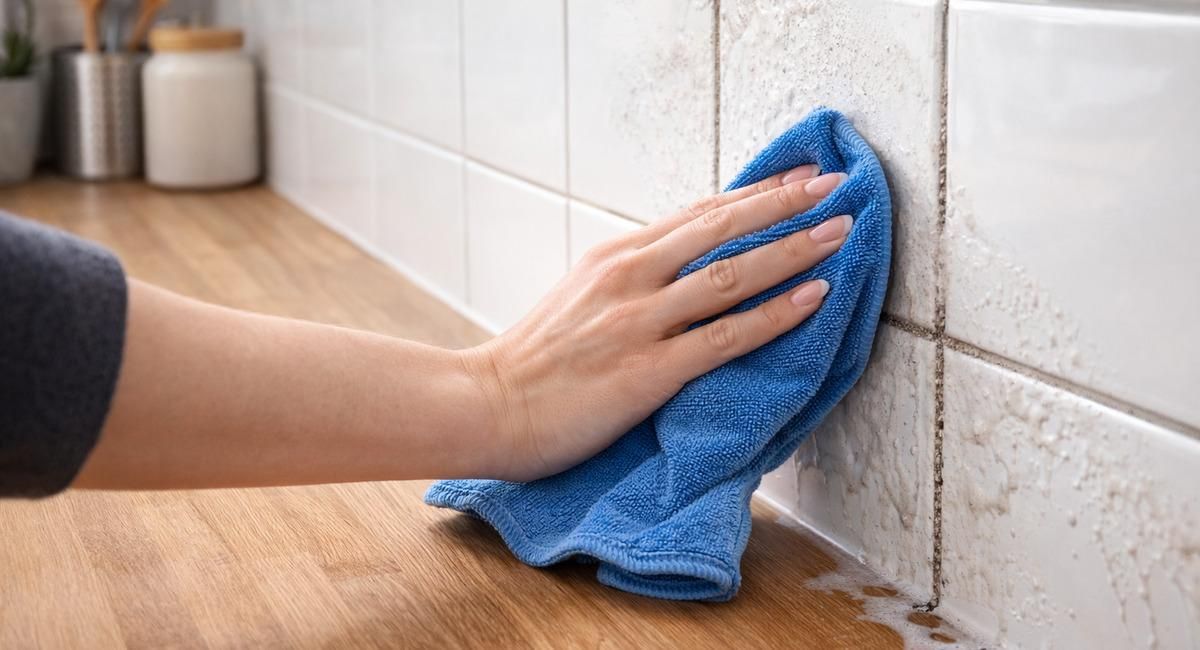
Table of Contents
1. What Is Grout Haze and Why Does It Form After Installation?
2. Why Removing Grout Haze the Wrong Way Can Damage Your Tile
3. How to Remove Grout Haze Safely: Step-by-Step Method
4. Best Cleaning Approaches by Tile Type
5. Common Mistakes People Make When Cleaning Grout Haze
6. How to Tell If Grout Haze Is Fresh or Cured
7. How to Protect Tile and Grout After Haze Removal
8. FAQ: Grout Haze Removal Questions
9. Conclusion and Next Step
What Is Grout Haze and Why Does It Form After Installation?
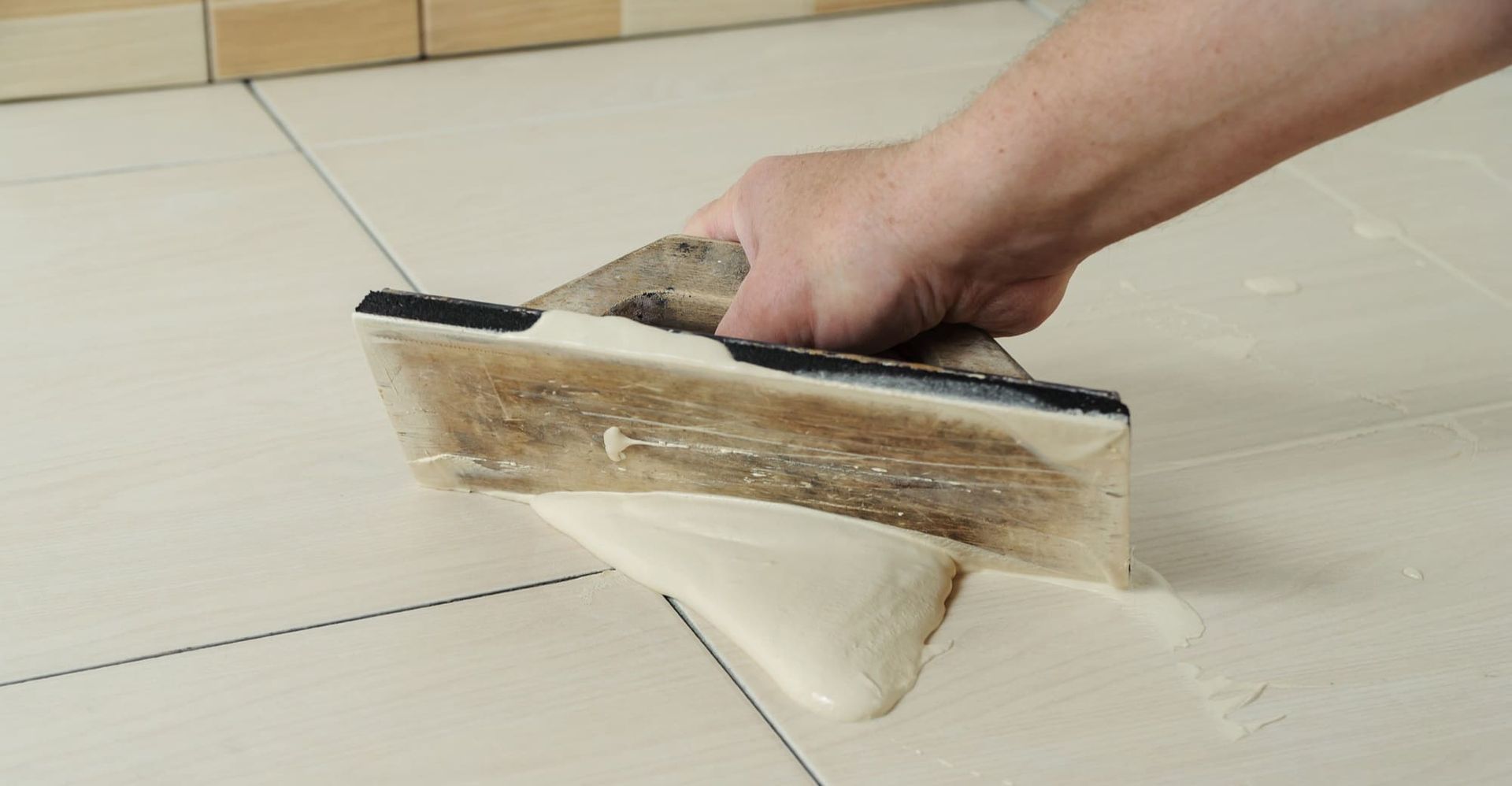
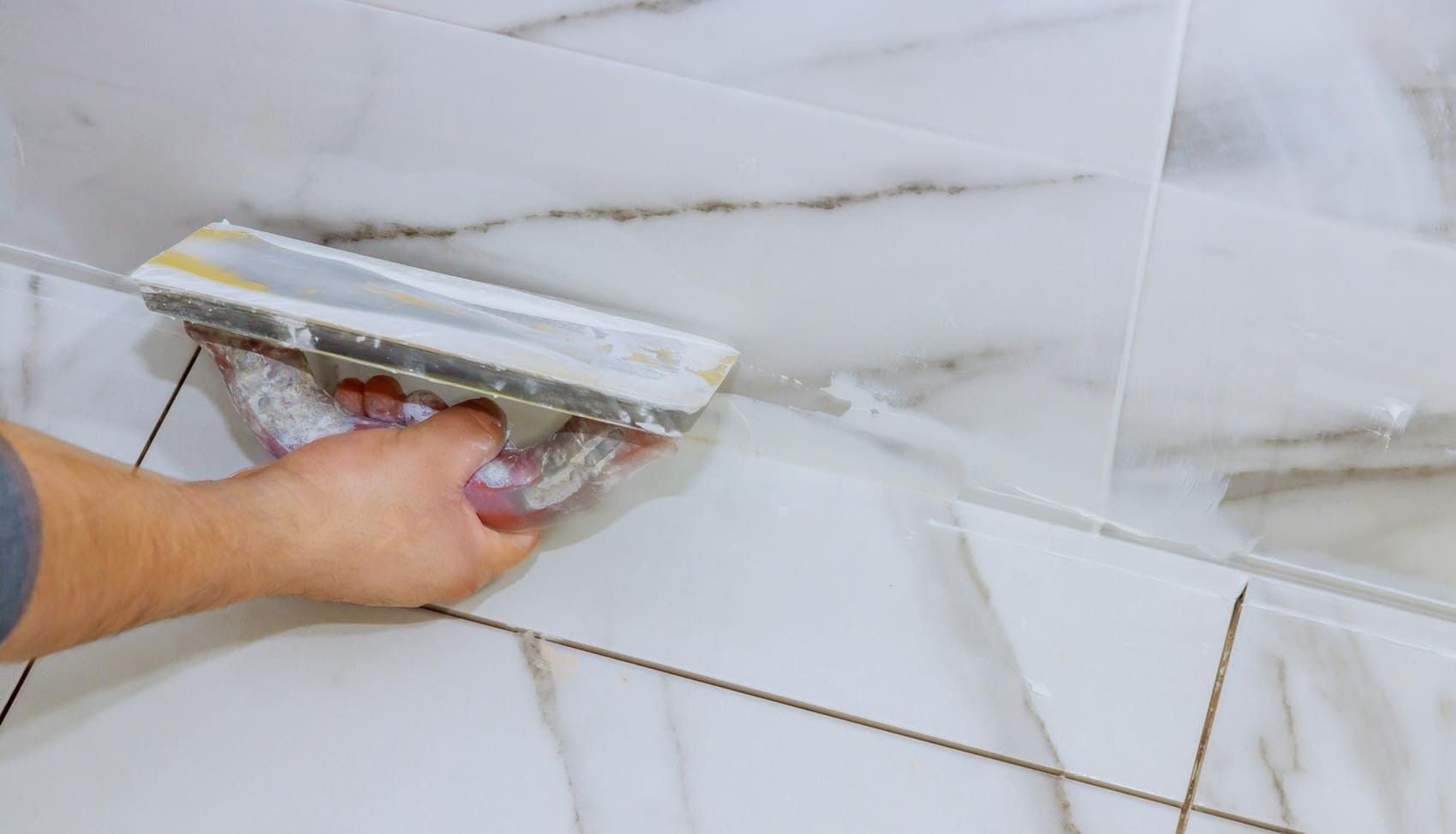
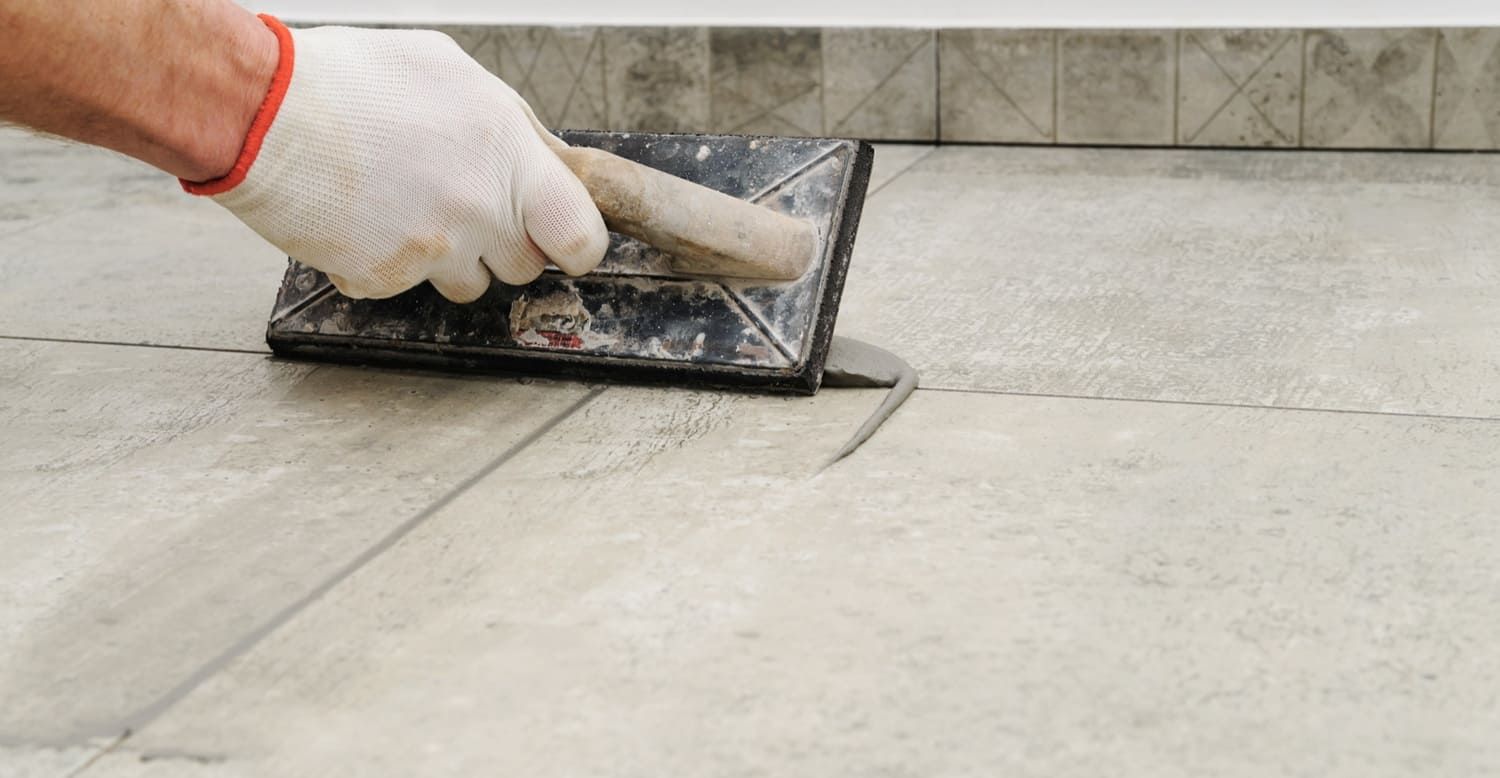
Grout haze is the thin film or cloudy residue left behind on tile after grout is spread, packed into joints, and cleaned during installation. It often appears as a dull coating that becomes more visible once the tile dries. Many people confuse it with dirt, soap scum, or hard water marks, but grout haze is usually a leftover cementitious or polymer-based residue from the grouting process itself.
Why grout haze forms
Haze develops when excess grout is not fully removed during cleanup, or when the installer uses too much water, waits too long to wipe, or does not perform a final buff after the initial wash. In hot, dry places like Phoenix, grout residue can dry faster than expected, making grout haze removal more difficult if cleanup is delayed.
What grout haze looks like
Fresh grout haze may look like a light chalky film. Cured haze often appears more stubborn, more uniform, and harder to remove with plain water. On dark tile, it can look dusty or streaky. On polished tile or glass, it can dull shine and reduce the crisp finished look.
Why it matters
If grout haze is ignored, it can become harder to remove over time. That is why people searching for how to clean grout haze off tile should focus on timing, tile compatibility, and safer cleaners rather than aggressive guesswork.
Why Removing Grout Haze the Wrong Way Can Damage Your Tile
The wrong grout haze removal method can create permanent surface damage. This is especially important for natural stone, glass tile, specialty finishes, and polished surfaces that can scratch, etch, or lose their protective finish.
Acid is not always the answer
Many people assume vinegar or stronger acid-based cleaners are the fastest way to remove grout haze. Sometimes those products can cut through residue, but they can also damage acid-sensitive materials, weaken grout, alter color, or leave uneven results. Natural stone is especially vulnerable to etching.
Abrasive scrubbing can scratch tile
Plain water with heavy scrubbing may sound harmless, but using rough pads, razor tools, or abrasive powders can scratch glazed tile, glass tile, and some polished porcelain surfaces. Once scratched, the damage is often far more expensive to fix than the original haze problem.
Wrong cleaner, wrong result
Not every grout haze remover Phoenix AZ contractors use is safe for every tile type. A cleaner that works well on porcelain may not be appropriate for marble, travertine, slate, or glass. The safest strategy is to match the cleaning method to the tile and grout instead of using a one-size-fits-all product.
Why dedicated post-installation cleaners help
A dedicated grout haze cleaner is often designed specifically for post-installation residue. ADVANCED Sealers and Cleaners positions its AC Technology line as a premium option for contractors and homeowners who want a safer, eco-friendly, non-toxic approach that supports fast haze removal while helping reduce unnecessary surface risk before sealing.
How to Remove Grout Haze Safely: Step-by-Step Method
If your goal is grout haze removal without damaging tile, start with the least aggressive effective method. The safest process usually combines inspection, tile-appropriate cleaning, and controlled agitation rather than aggressive acid or hard scrubbing.
1. Identify the tile material first
Before applying anything, confirm whether the surface is porcelain, ceramic, natural stone, or glass. This step matters because the safe way to remove grout residue from one material may be risky on another.
2. Determine whether the haze is fresh or cured
Fresh haze often lifts more easily with the right cleaner and a soft microfiber or white pad. Cured haze may require a stronger dedicated product, longer dwell time, or repeated treatment.
3. Dry wipe or buff loose residue
Sometimes part of the haze is just loose surface dust. A dry microfiber cloth, cheesecloth, or soft buffing pad can remove the lightest residue before any wet cleaning starts.
4. Test the cleaner in a small area
Always test first in an inconspicuous spot. This is especially important on natural stone, decorative tile, and glass tile. Testing helps confirm appearance, compatibility, and whether the product affects gloss or grout color.
5. Apply a dedicated grout haze cleaner
Use a tile-safe cleaner formulated for post-installation haze removal and follow the label directions. Allow the recommended contact time so the product can loosen residue instead of forcing the result with pressure.
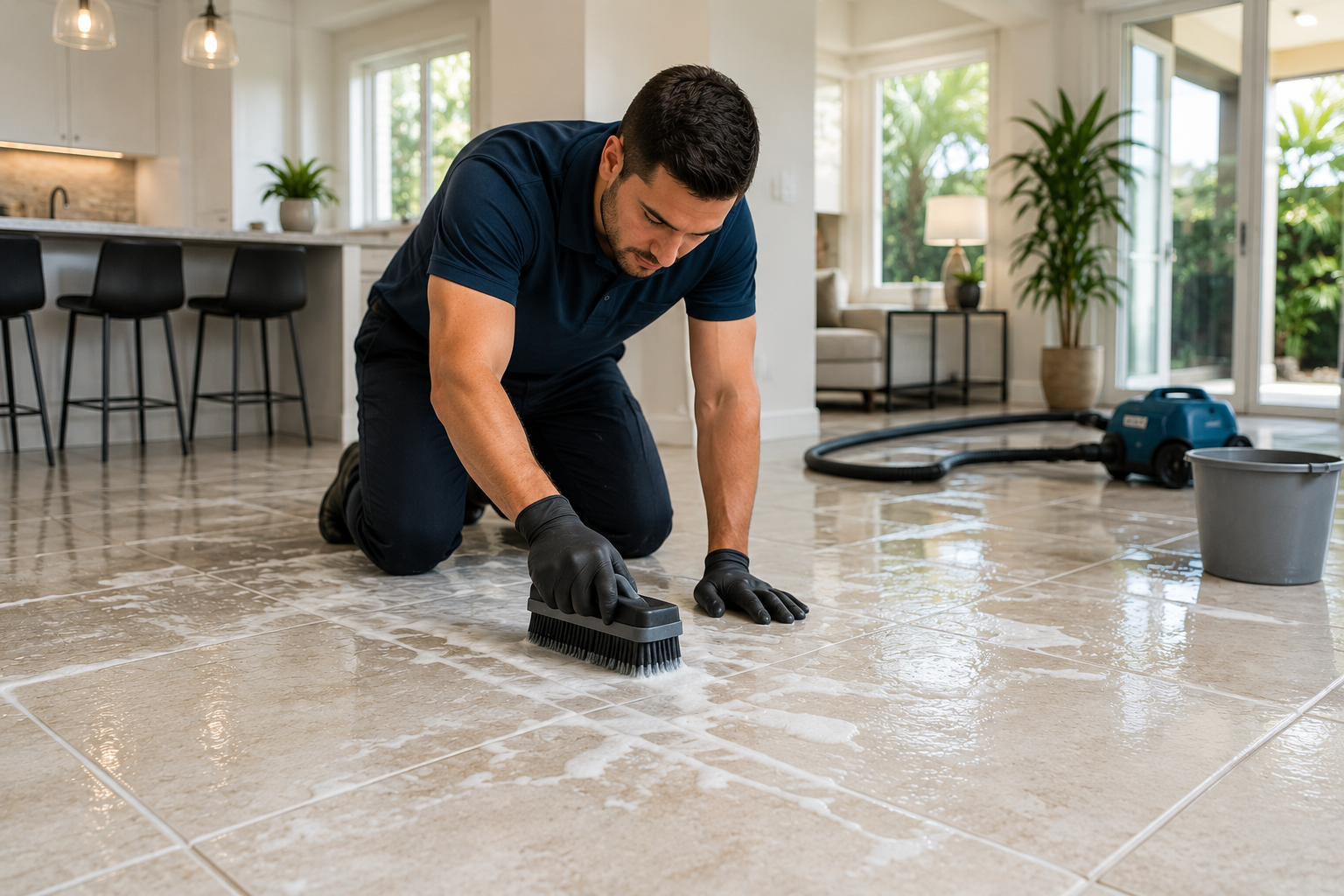
6. Agitate gently with a non-abrasive pad
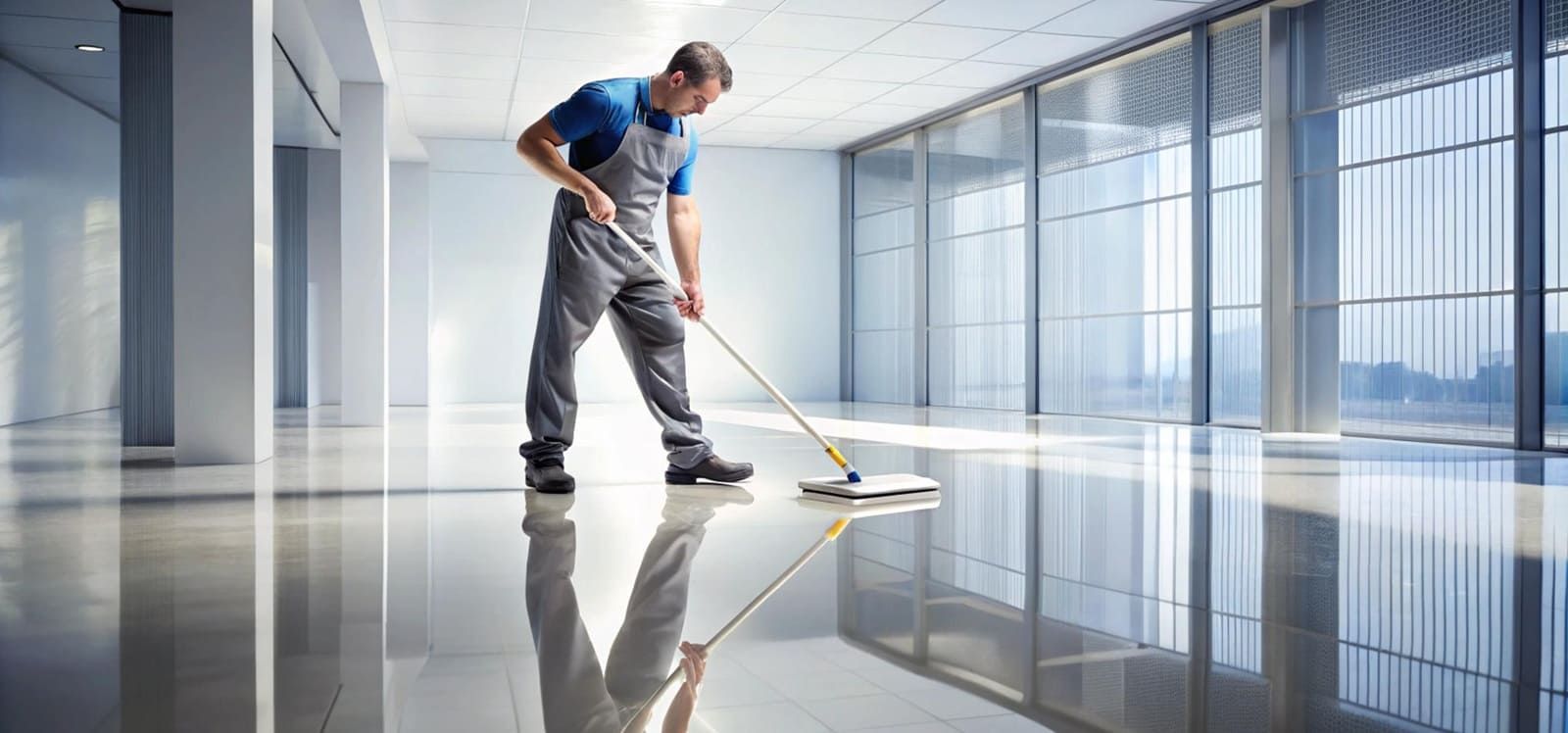
Use a white scrub pad, microfiber cloth, or another non-scratching applicator recommended for the tile type. The goal is to lift softened haze, not grind it into the surface.
7. Rinse thoroughly and inspect
Wipe away residue and rinse with clean water if directed. Then inspect the tile from different angles under good light. If haze remains, repeat the process rather than switching immediately to a harsher method.
8. Let the surface dry fully
Some haze is difficult to judge while the tile is still wet. After drying, any remaining film usually becomes more visible. That allows a more accurate decision about whether another cleaning pass is needed.
Best Cleaning Approaches by Tile Type: Porcelain, Ceramic, Natural Stone, and Glass
The best grout haze cleaner depends heavily on the tile material. This is one of the most important sections for both DIY homeowners and professional tile installers.
Porcelain tile
Grout haze on porcelain tile is common because haze can cling to the surface texture or settle into matte finishes. Porcelain is generally durable, but some finishes can still scratch. A dedicated grout haze cleaner paired with a soft pad is often a safer and more effective choice than aggressive scrubbing.
Ceramic tile
Ceramic tile usually handles standard grout haze cleanup well, but glossy glazes can show scratches quickly. Mild, tile-safe cleaners and non-abrasive agitation are usually the best first step.
Natural stone tile
Natural stone requires the most caution. Marble, travertine, limestone, and other acid-sensitive surfaces can etch if exposed to vinegar or acid-based cleaners. For these surfaces, only stone-safe haze removal products and methods should be considered. If there is any doubt, a dedicated product with clear stone compatibility is the safest route.
Glass tile
Glass tile can highlight every streak, haze mark, and scratch. It often needs a gentle cleaner, soft cloths, and careful rinsing to avoid residue trails. This is not the surface for rough pads or scraping tools.
Quick comparison of cleaning options
| Method | Effectiveness on cured vs. fresh haze | Risk of etching or scratching tile | Safety on natural stone and glass tile | Effect on grout color and integrity | Time required to see results | Ease of use for DIY vs. professional application | Cost per application |
|---|---|---|---|---|---|---|---|
| Dedicated Grout Haze Cleaner | Strong on fresh haze and often effective on cured haze with repeat use | Lower when used as directed with non-abrasive tools | Often safer, but tile compatibility should still be confirmed | Typically designed to reduce unnecessary grout color disruption | Usually moderate and predictable | Good for both DIY users and professionals when instructions are followed | Moderate |
| Vinegar or Acid-Based Cleaners | Can work on some fresh or cured haze | Higher risk on sensitive surfaces and finishes | Poor choice for many natural stone surfaces and risky on some glass finishes | May affect grout color, weaken grout, or create uneven results | Often fast reaction, but not always controlled | Less forgiving for DIY use, requires more caution | Low product cost, higher damage risk |
| Plain Water with Abrasive Scrubbing | Limited on cured haze, mixed on fresh haze | Moderate to high depending on pad or tool | Often unsafe for delicate stone or scratch-prone surfaces | Little chemical effect, but aggressive scrubbing can damage joints over time | Labor intensive and inconsistent | Simple to start, but easy to misuse | Low product cost, higher labor cost |
Common Mistakes People Make When Cleaning Grout Haze
Most tile damage during grout haze removal happens because people rush, assume all tile is the same, or start with the harshest method.
Using vinegar on every surface
Vinegar is one of the most common DIY recommendations online, but it is not a universal answer. It can be too aggressive for natural stone and may create avoidable risk even when the haze does come off.
Scrubbing too hard
If the cleaner is not doing enough, many people push harder with rough pads or abrasive brushes. That can scratch tile, dull finishes, and worsen the final appearance.
Skipping the test spot
Even a good product can behave differently depending on the tile finish, grout type, and age of residue. Testing first is one of the easiest ways to avoid expensive mistakes.
Waiting too long
The longer haze sits, the more difficult it often becomes to remove. In Arizona heat, that window can close quickly. Prompt cleanup usually gives better results with less effort.
Not rinsing completely
Residual cleaner or loosened grout film can sometimes dry back onto the surface and look like haze again. Thorough final cleanup matters as much as the first application.

How to Tell If Grout Haze Is Fresh or Cured and Why It Matters
Knowing whether grout haze is fresh or cured helps determine the safest and most effective cleaning method. This is one of the biggest factors in choosing between simple cleanup and a stronger dedicated product.
Signs of fresh grout haze
- The tile work was completed recently.
- The haze feels light or powdery rather than bonded.
- A dry cloth or damp microfiber can remove some of the film.
- The surface improves quickly with mild cleaning.
Signs of cured grout haze
- The haze has been sitting for days or longer.
- The film looks uniform, stubborn, or slightly cemented to the tile.
- Plain water does very little.
- The residue remains visible after basic wiping.
Why this changes the cleaning plan
Fresh haze usually responds faster and with less risk. Cured haze often calls for a best grout haze cleaner that is designed specifically for post-installation residue. That can save time and reduce the temptation to over-scrub or use risky chemicals.
How to Protect Tile and Grout After Haze Removal
Successful grout haze removal is not just about getting the residue off. It is also about protecting the tile and grout so the finished installation performs and looks the way it should.
Confirm the tile is fully clean before sealing
Do not seal over grout haze. If haze is trapped under a sealer, it can lock in the cloudy appearance and make correction harder later.
Allow proper drying time
After cleanup, let the tile and grout dry as recommended before any sealing step. This supports better sealer performance and a more even result.
Understand cleanup vs. protection
Removing grout haze and sealing grout are different tasks. One corrects post-installation residue. The other helps support long-term stain resistance and maintenance.
| Task | Main purpose | When it happens | Primary result |
|---|---|---|---|
| Grout haze removal | Remove leftover grout residue from the tile surface | After installation and before final protection steps | Restores clarity, color, and clean tile appearance |
| Grout sealing | Help protect grout from future staining and moisture intrusion | After the tile and grout are fully clean and dry | Supports easier maintenance and longer-lasting appearance |
Choose compatible protection products
ADVANCED Sealers and Cleaners naturally fits into this stage because the brand focuses not only on cleanup, but also on surface protection. For homeowners and contractors who want long-lasting results before sealing, AC Technology products can help support a cleaner transition from post-installation residue removal to ongoing protection.
FAQ: Grout Haze Removal Questions
What causes grout haze after a new tile installation?
Grout haze is usually caused by leftover grout residue that was not fully removed during installation cleanup. It often becomes visible once the tile dries.
Can grout haze be removed after it has fully cured?
Yes, in many cases it can. Cured haze is usually harder to remove than fresh haze, so a dedicated grout haze cleaner is often a better option than plain water or harsh DIY methods.
Is vinegar safe to use for removing grout haze?
Not always. Vinegar can be risky on natural stone and may not be the safest choice for every tile finish or grout type.
Will removing grout haze damage natural stone tile?
It can if the wrong cleaner or abrasive method is used. Stone-safe products and gentle methods are important on marble, travertine, limestone, and similar surfaces.
How soon after grouting should haze be cleaned off?
As soon as the grout manufacturer and installation process allow. Early cleanup is usually easier and safer than waiting until the residue fully cures.
Can grout haze remover be used on glass tile?
Sometimes yes, but compatibility should be confirmed first. Glass tile can scratch and show residue easily, so testing in a small area is essential.
Why does grout haze reappear after cleaning?
It may not have been fully removed, or loosened residue and cleaner may have dried back onto the tile. A second controlled cleaning and thorough final wipe may be needed.
Do I need to reseal tile after removing grout haze?
That depends on the tile and grout type. Some surfaces and grout lines may benefit from sealing after they are fully clean and dry.
What is the difference between grout haze and efflorescence?
Grout haze is a surface residue left from installation. Efflorescence is a salt deposit that can migrate to the surface due to moisture movement.
Can grout haze be removed without scrubbing or acid?
In many cases, yes. A dedicated tile-safe cleaner with the right dwell time can reduce the need for aggressive scrubbing or risky acid use.
Conclusion and Next Step
If you want to remove grout haze without damaging tile, the safest and most effective approach is to identify the tile type, determine whether the haze is fresh or cured, test first, and use a tile-safe cleaner formulated for post-installation residue. That method gives homeowners, contractors, and tile installers a better chance of removing haze without scratching porcelain, etching natural stone, or dulling glass tile.
For projects in Phoenix, AZ and across Maricopa County, using the right eco-friendly, non-toxic, tile-safe product helps protect both short-term appearance and long-term surface integrity. ADVANCED Sealers and Cleaners positions its AC Technology formulas as a premium option for fast and safe grout haze removal before sealing. If you want product recommendations or application guidance for your tile type and haze condition, contact ADVANCED Sealers and Cleaners for help choosing the right AC Technology solution.