

How to Seal Tile and Stone Before Installing Heated Floors
Installing heated floors is a smart upgrade for comfort and energy efficiency, but long-lasting results hinge on one crucial step: properly
sealing tile and stone before the system goes in. Tile and stone are naturally porous, and exposure to heat and moisture from radiant floors can accelerate wear, discoloration, and adhesive breakdown if surfaces are not adequately protected. Without professional-quality sealing, floors are much more likely to develop stains, mold, and efflorescence, or suffer premature cracking and debonding—all leading to expensive, hard-to-repair damage beneath your finished floor. The right sealer creates a moisture barrier that not only strengthens and beautifies your tile or stone but guards hidden subfloor components, optimizes heating performance, and protects your investment for years. In this guide, you’ll find step-by-step instructions, expert product recommendations, and critical mistakes to avoid, ensuring your heated floor installation is built to last from the ground up.
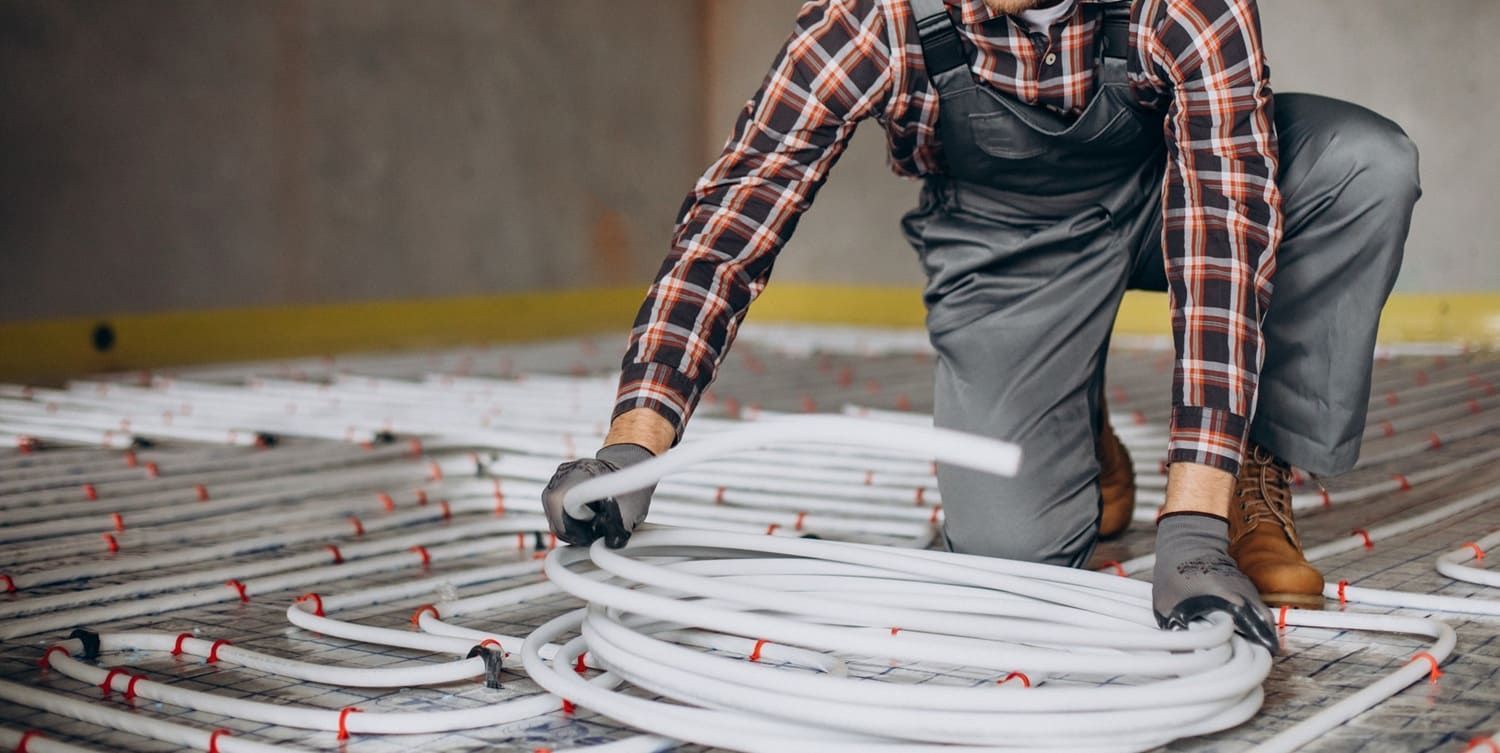
Table of Contents
- 1. Why Seal Tile & Stone Before Heated Floor Installation?
- 2. How Heat Impacts Unsealed Tile, Stone & Grout
- 3. Sealer Types for Heated Floor Prep: Features & Comparisons
- 4. Choosing the Right Sealer for Surface & Subfloor
- 5. Best Practices: Step-by-Step Sealing for Heated Floors
- 6. Sealing Mistakes to Avoid Before Heated Floor Install
- 7. How High-Quality Sealers Protect & Extend System Life
- 8. FAQ: Sealing Tile & Stone for Heated Floors
- 9. Conclusion & Shop ADVANCED Sealers and Cleaners
1. Why Seal Tile & Stone Before Heated Floor Installation?
Moisture and heat are natural enemies of tile and stone when radiant floor systems are involved. Sealing before installation is essential because grout, tile, and stone are all susceptible to water absorption. As heated floor mats or cables increase subfloor temperature, they speed up cycles of condensation, vapor drive, and expansion—all of which can push moisture up into porous surfaces. Over time, this causes staining, mold growth, structural weakening, and poor heating efficiency. Sealing acts as a critical moisture barrier, safeguards adhesives, helps the system deliver even warmth, and dramatically reduces future maintenance or repair costs. For both DIYers and professionals, prepping surfaces with a suitable sealer is the best insurance against problems under your new floor.
2. How Heat Impacts Unsealed Tile, Stone & Grout
Heated floors create a fluctuating environment. When tile and stone are left unsealed, expansion and contraction cycles can stress adhesives and grout, gradually causing cracks, debonding, or hollowness underfoot. Direct heat accelerates evaporation, which can lead to salt deposits, known as efflorescence, that discolor surfaces. Water vapor from unfinished basements or bathrooms may rise, condense, and find its way into porous materials—causing hidden mildew or mold growth under tiles. In freeze-thaw climates, trapped moisture can result in damaging expansion within stone or grout. Good sealing practices keep heat and moisture from entering vulnerable areas, keeping your new heated floor looking and performing great for the long run.
3. Sealer Types for Heated Floor Prep: Features & Comparisons
There are several categories of sealers suitable for heated floor preparation. They vary by chemistry, penetration depth, and surface characteristics:
| Sealer Type | Protection Level | Heated Floor Compatibility | Application Method | Typical Dry Time |
|---|---|---|---|---|
| Penetrating Sealer | Deep moisture barrier | Excellent | Brush/Spray | 1–8 hrs |
| Impregnating Sealer | Maximum stain & water repellency | Excellent | Wipe/Brush | 4–24 hrs |
| Topical/Moisture-Resistant Sealer | Surface barrier, moderate depth | Good to moderate* | Roll/Spread | 2–8 hrs |
*Check that topical sealers are rated for radiant heat—some may soften, yellow, or lose grip over time
4. Choosing the Right Sealer for Surface & Subfloor
Matching a sealer to your surface and subfloor is as important as product quality.
Porcelain, ceramic, and glazed tiles are less porous but still benefit from joint/grout sealing. Natural stone like marble, travertine, and slate require deep-penetrating or impregnating sealers because of their high absorption rate. The subfloor matters too. Concrete requires vapor-blocking ability; wood subfloors call for flexible, moisture-resistant formulations. Always check for radiant heat compatibility and select a sealer designed for temperature swings, vapor permeability, and pH balance with adhesives and grout. Seek advice for mixing compatible products from ADVANCED Sealers and Cleaners experts or consult manufacturer compatibility charts for your specific floor system.
5. Best Practices: Step-by-Step Sealing for Heated Floors
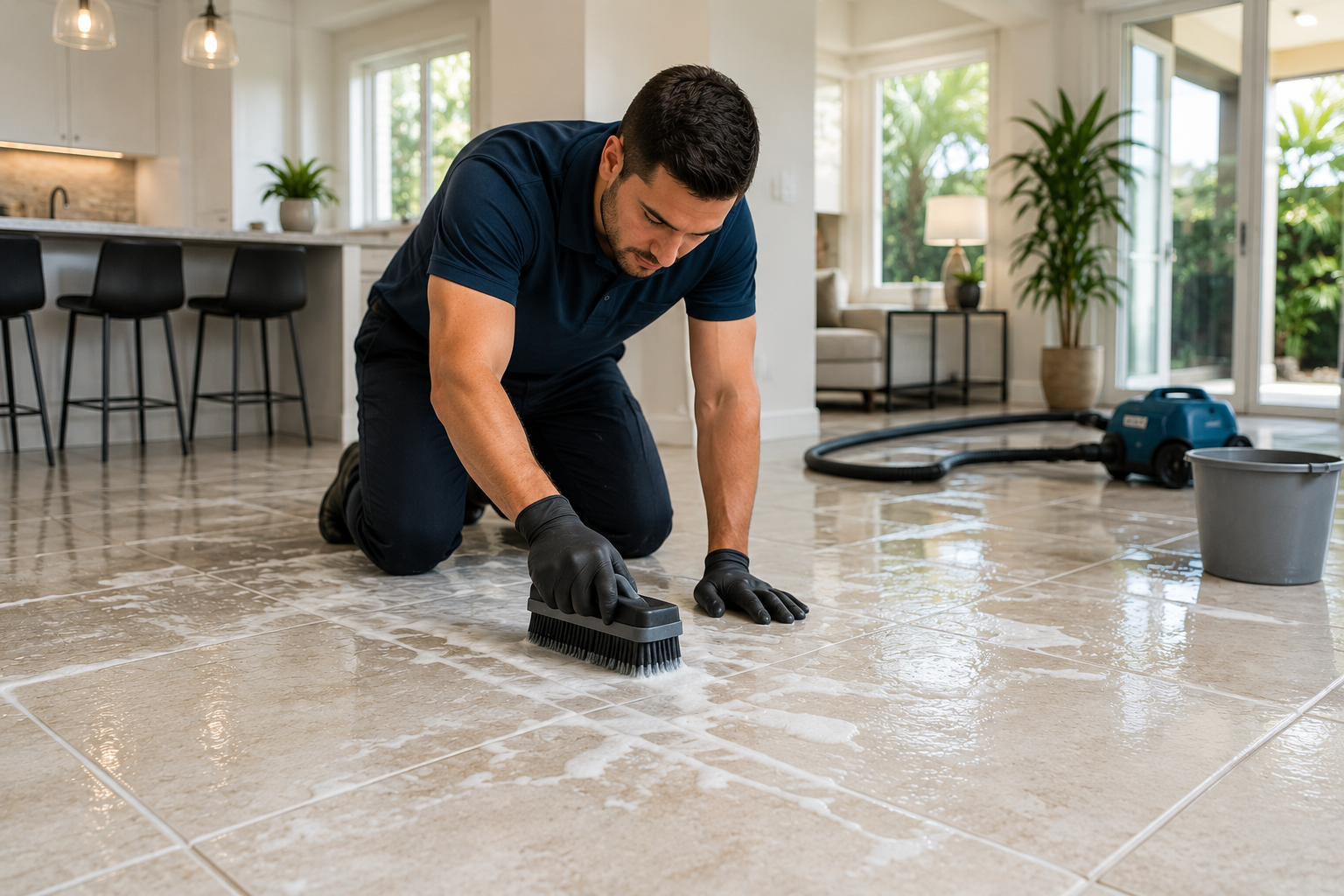
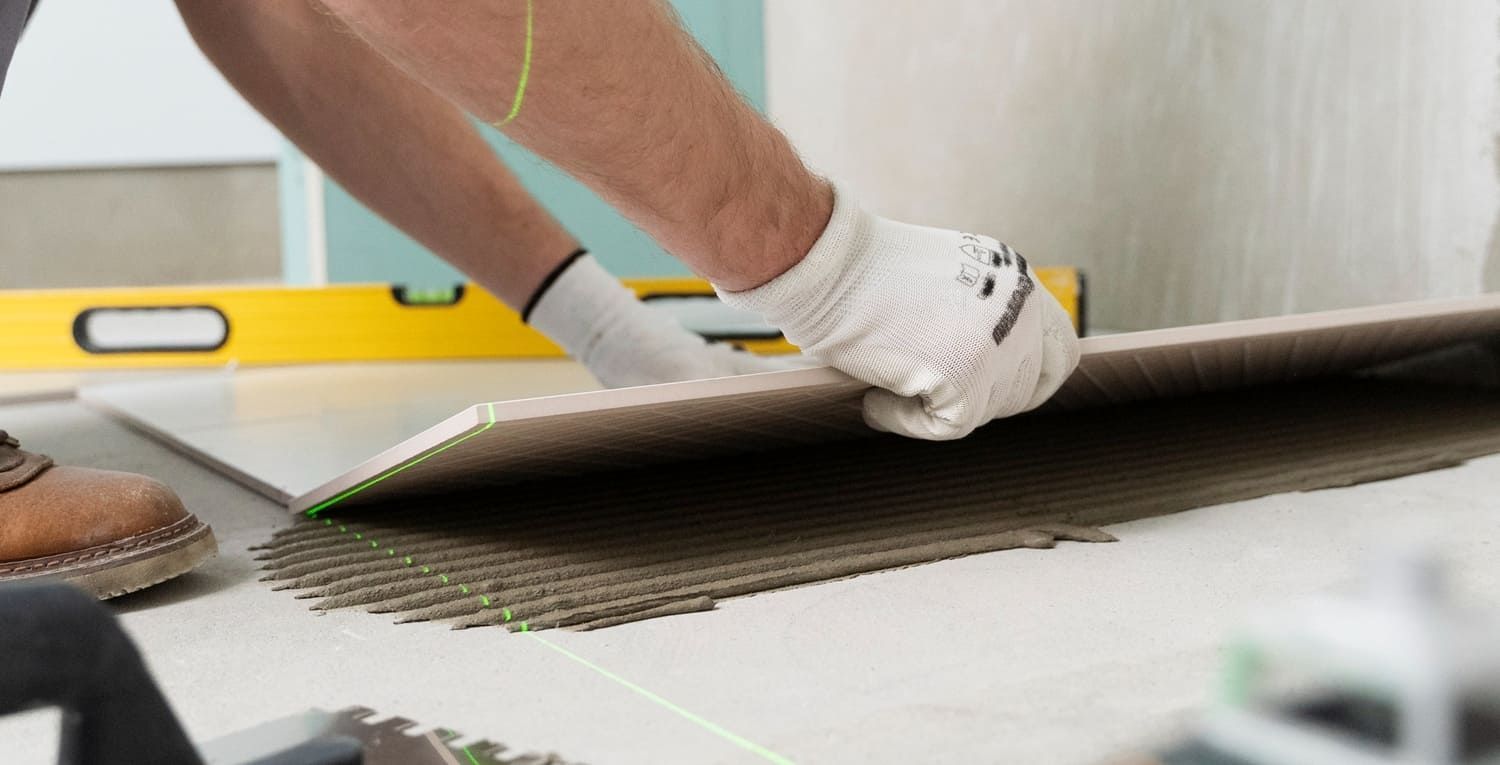
- Prepare Surfaces : Ensure all tiles and stones are dry, dust-free, and acclimated to room temperature.
- Select Your Sealer : Refer to previous section; ensure product is suited for heated floors and surface/subfloor type.
- Test First : Always spot-test the sealer in an inconspicuous area to confirm coverage, absorption, and finish effect.
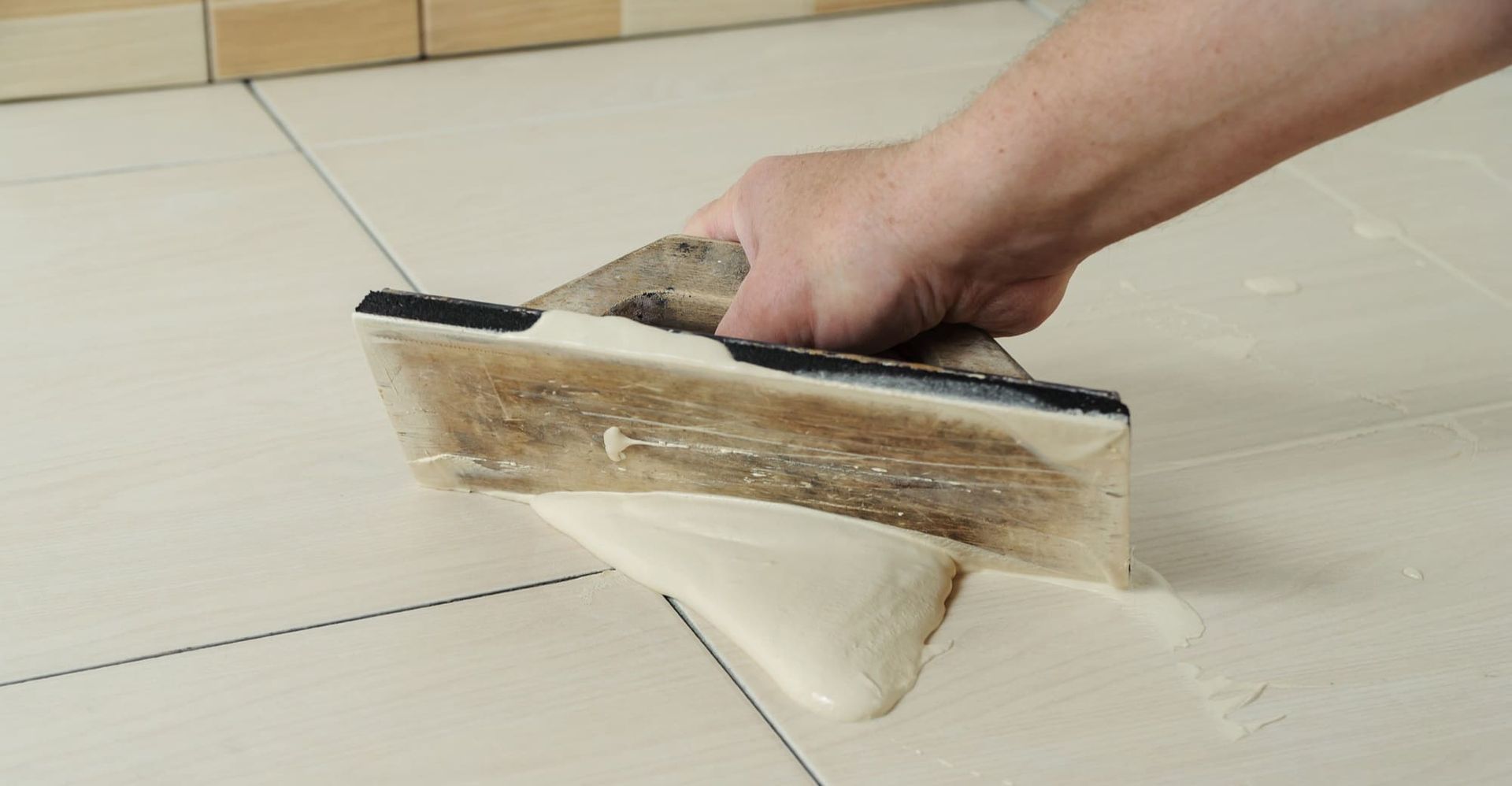
- Apply Sealer Generously : Use the recommended tool (brush, roller, microfiber pad); work in small sections for even coverage.
- Allow Full Penetration : Let the product soak for the contact time listed on the label—often 5–20 minutes per coat.
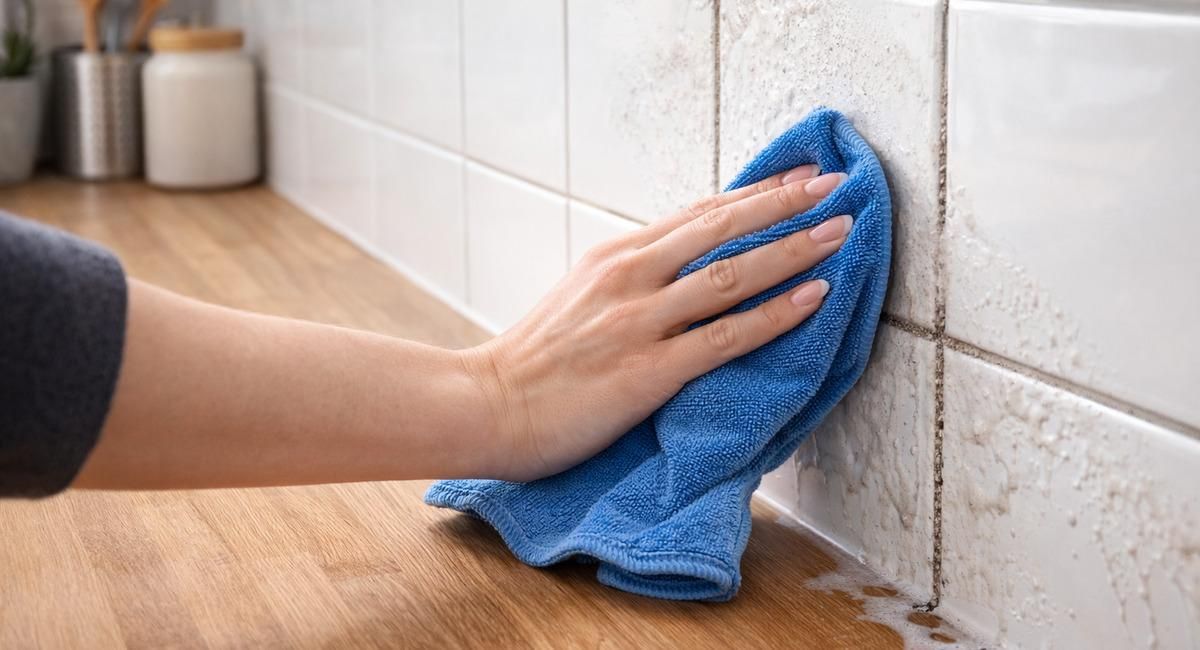
- Wipe & Buff Excess : Remove residue to avoid streaks, pooling, or film buildup that can impact adhesive bond.
- Allow Sufficient Curing : Observe the full curing schedule before installing any floor heating system—typically 24 hours or more for deep sealers.
6. Sealing Mistakes to Avoid Before Heated Floor Install
- Using the wrong type of sealer (not rated for temperature swings)
- Skimping on curing time—adhesives may fail if the sealer isn’t fully set
- Leaving residue—can cause uneven adhesive grip and heating pad issues
- Skipping edge and grout line coverage, which are most moisture-prone
- Failing to test in an inconspicuous spot before full application
- Layering incompatible sealers or mixing brands/products without verifying adhesion
7. How High-Quality Sealers Protect & Extend System Life
Investing in premium, professional-grade sealers from trusted brands like ADVANCED Sealers and Cleaners delivers multilayered benefits. You’ll get more consistent heat transfer, dramatically less risk of hidden water damage, longer floor and grout life, and reduced likelihood of repairs. Proper sealer choice ensures heating system hardware stays well-insulated from leaks and vapor, adhesives bond tightly, and beautiful surface finishes are protected from the inside out. Modern sealers also add stain-blocking and antimicrobial properties, reducing cleaning needs and improving indoor air quality for the life of your radiant floor system.
8. FAQ: Sealing Tile & Stone for Heated Floors
Is sealing required for all stone types before heated floors?
Yes. Porous natural stones (marble, travertine, limestone, slate) must be sealed; even denser stones benefit from surface protection, especially at grout joints.
How do sealers hold up to ongoing heat exposure?
Quality sealers are tested for radiant heat compatibility, remaining flexible, transparent, and effective at high temperatures.
How long should a sealer cure before heating system install?
Cure times vary—most require 24–72 hours for full set. Always follow product instructions before laying heating mats or cables.
Can I use adhesives and grouts with sealed surfaces?
Yes, but only if the sealer is compatible with the selected adhesive/grout. Some sealers may reduce adhesion—spot test first.
How long will sealed tile/stone last under heated floors?
With proper care, sealed surfaces can last 5–10 years or longer before maintenance reapplication is needed.
How often should sealed floors be resealed?
Check every 3–5 years, or sooner in high-moisture areas. Test with water droplet and assess shine/grip wear.
Do all commercial sealers work with radiant floors?
No. Only use sealers specifically labeled as safe for heated or radiant floor systems.
Is grout sealing as important as tile/stone?
Yes—grout is highly porous and a common entry point for moisture and heat-related damage.
What’s the best way to clean sealed tile floors post-install?
Use pH-neutral, non-abrasive cleaners designed for sealed surfaces—avoid harsh chemicals or acidic solutions.
Where can I buy high-quality, radiant heat-rated sealers?
ADVANCED Sealers and Cleaners offers a carefully selected range of professional sealers and expert support.
Conclusion & Shop ADVANCED Sealers and Cleaners
Properly sealing tile and stone is not just a recommended step—it’s essential for ensuring radiant and heated floor systems deliver long-term comfort, durability, and value. By using radiant-heat-rated penetrating and impregnating sealers from ADVANCED Sealers and Cleaners, you create a powerful moisture barrier that protects porous surfaces, safeguards adhesives and subfloors, improves heating efficiency, and preserves the beauty and integrity of your floors for years to come. Serving homeowners and professionals nationwide, ADVANCED Sealers and Cleaners provides expert guidance and professional-grade products specifically formulated to perform under temperature fluctuations and moisture exposure. Don’t cut corners on this critical foundation—contact ADVANCED Sealers and Cleaners today for product recommendations and expert support, and shop our trusted sealers for reliable protection, proven performance, and lasting confidence with every heated floor installation.