

Is Steam Cleaning Safe for Porcelain Tile and Grout?
Porcelain tile has become one of the most popular flooring and wall materials for kitchens, bathrooms, showers, and commercial spaces because it is durable, water resistant, and available in styles that convincingly mimic stone, concrete, and wood. But even when the tile itself is easy to wipe clean, the grout lines between tiles are porous and textured, so they can trap soil, grease, soap film, and bacteria over time. That is why many homeowners and cleaning professionals look for a deeper cleaning approach when routine mopping is not enough. Steam cleaning is often promoted as a chemical free way to lift buildup and sanitize surfaces using heat and moisture. The key question is whether that heat and moisture are always safe for tile and grout systems. In the right conditions, steam cleaning porcelain tile can be effective. In the wrong conditions, excessive heat, too much dwell time, or using steam on compromised grout or failing sealers can contribute to staining, weakening, or moisture related issues. This guide explains how to use steam safely and how products from ADVANCED Sealers and Cleaners support long term tile and grout maintenance.
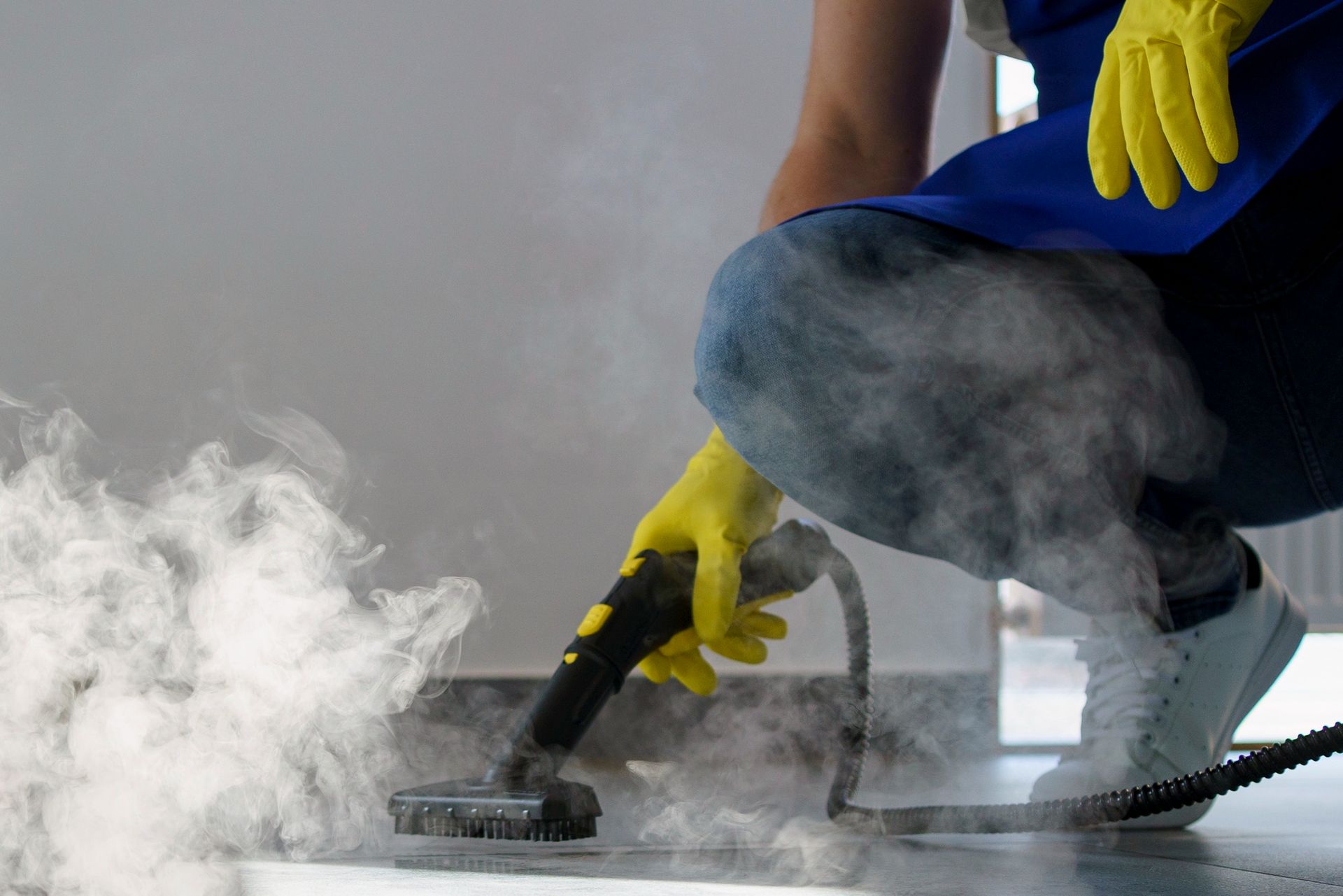
Table of Contents
- What Porcelain Tile Is and Why It Is Widely Used
- How Steam Cleaning Works and Why It Removes Buildup
- When Steam Cleaning Is Safe for Porcelain Tile and Grout
- Potential Risks: Unsealed Grout, Damage, and Moisture
- Porcelain Tile Cleaning Methods for Long Term Care
- Why Grout Sealing Matters and How Often to Seal
- How Professional Grade Cleaners and Sealers Protect Surfaces
- FAQ: Steam Cleaning, Grout Safety, and Maintenance
- Conclusion
What Porcelain Tile Is and Why It Is Widely Used
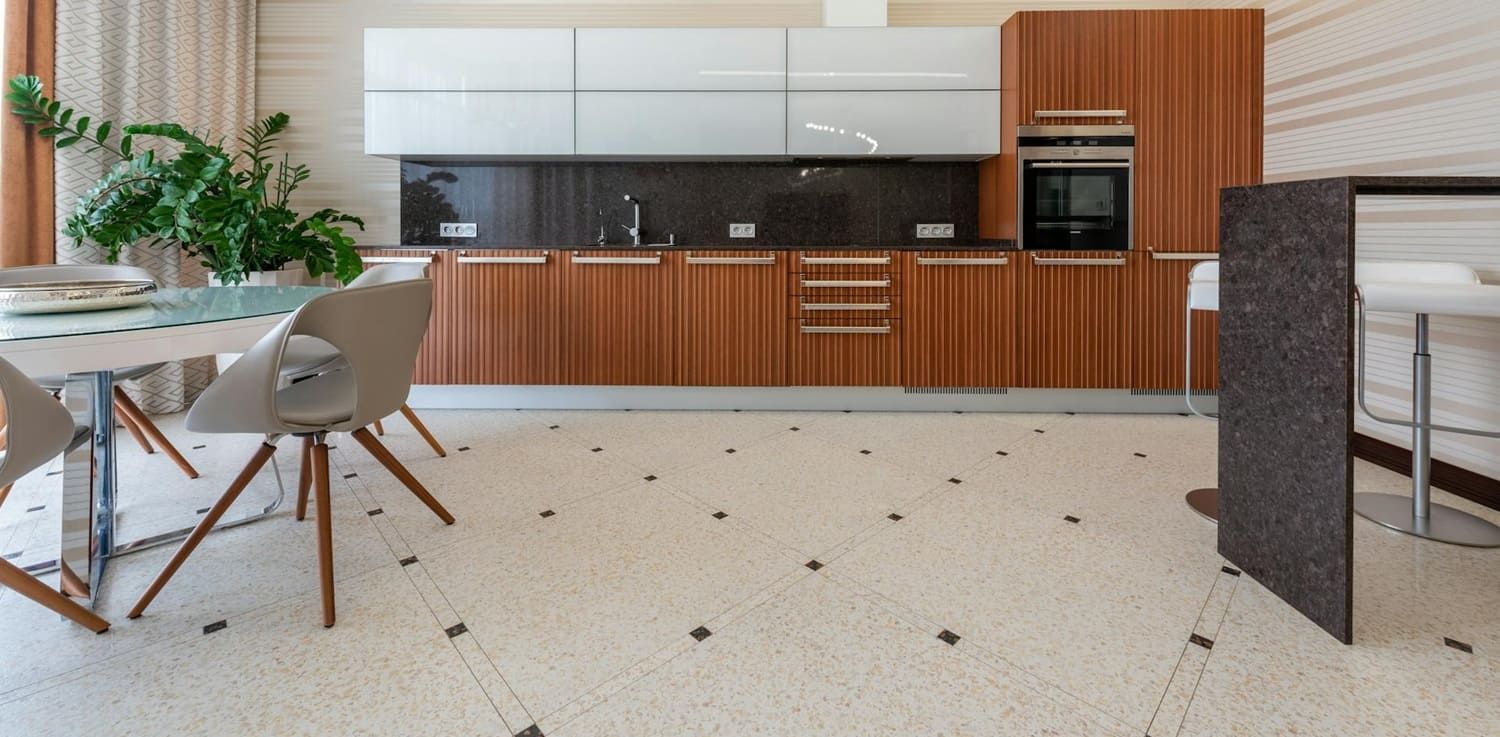
Porcelain tile is a type of ceramic tile made from refined clays and minerals that are pressed under high pressure and fired at very high temperatures. This process creates a dense, low porosity tile body that typically absorbs far less water than standard ceramic. In practical terms, that density is one reason porcelain performs well in wet areas like bathrooms, laundry rooms, and entryways, and also why it is used in many commercial installations where foot traffic and frequent cleaning are expected.
Porcelain is also popular because it supports a wide range of finishes. You can find polished porcelain with a glossy surface, matte porcelain with a more slip resistant texture, and textured or structured porcelain designed for outdoor or wet use. Many modern designs are printed to resemble marble, travertine, or wood planks, which helps homeowners achieve a high end look with the performance and consistency of tile.
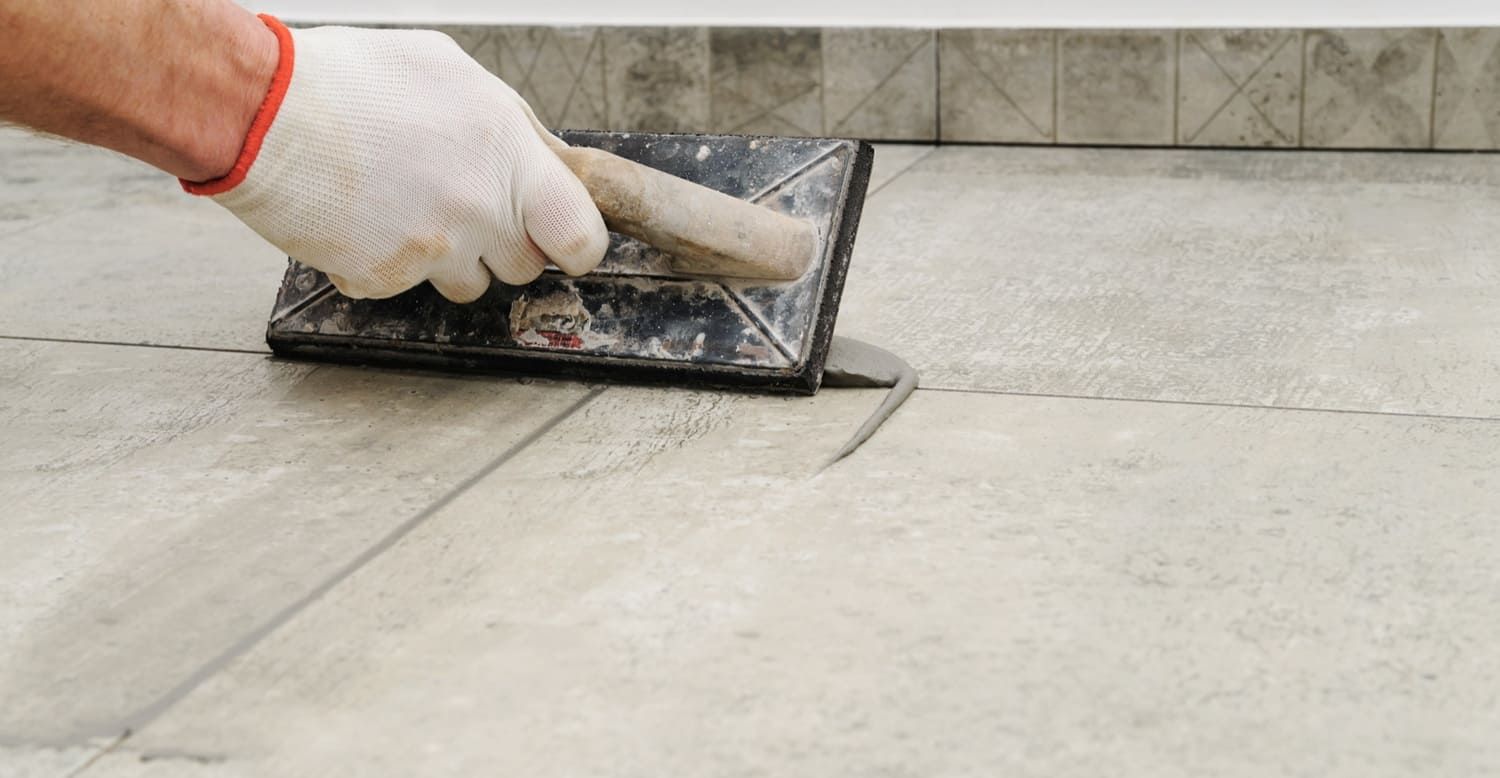
Even though porcelain tile is tough, the overall tile system includes grout, movement joints, and sometimes sealers or coatings. Grout is often the weak link from a cleaning perspective. Cement based grout is porous by nature, and it can wick in spills and hold onto dark soil. In kitchens, that can mean grease and food staining. In showers, it can mean soap residue, minerals from hard water, and mildew conditions if ventilation is poor.
Key takeaway: Porcelain tile itself is generally resilient, but grout lines and any topical sealers can be more sensitive. That is why the question is steam cleaning safe for grout is as important as whether steam is safe for the tile face.
How Steam Cleaning Works and Why It Removes Buildup
Steam cleaning uses water heated into vapor and delivered through a nozzle or pad at controlled pressure. The combination of heat, moisture, and agitation can soften oily residues, loosen sticky soils, and break the bond between grime and the surface. For tile and grout, that can be especially appealing because grout texture can hold soil that routine mopping glides over.
For many users, the main benefits are speed and reduced chemical reliance. Heat can help emulsify grease in kitchens and can soften soap film in bathrooms. When paired with a microfiber pad, the steam unit can lift loosened soil so it is removed instead of redistributed. Some commercial grade units also include attachments intended to focus steam into grout lines.
However, effectiveness depends on technique. Excess moisture left behind can carry soil into grout pores or into cracks and voids. High heat directed at one spot for too long can stress compromised grout or existing sealers. Also, not all steamers are equal. Some deliver relatively low moisture vapor. Others spray wetter steam that behaves more like hot water cleaning. Understanding your equipment and your surface conditions is the difference between safe cleaning and accidental damage.
Steam cleaning versus traditional cleaning methods (quick comparison)
- Steam cleaning porcelain tile: Heat + moisture loosens buildup; often reduces need for strong chemicals; requires controlled technique and thorough dry down.
- Neutral cleaner + mop: Best for routine maintenance; low risk; may not fully address embedded grout soil without periodic deep cleaning.
- Alkaline degreaser: Effective for kitchen grease; requires correct dilution and rinse; can dull some finishes if misused.
- Acid cleaner (when appropriate): Used for mineral deposits or grout haze; must be used carefully and never as a frequent cleaner; not for acid sensitive surfaces.
When Steam Cleaning Is Safe for Porcelain Tile and Grout
In many situations, steam cleaning porcelain tile is safe, especially when the tile is in good condition, the grout is intact, and the cleaning is performed with controlled temperature, limited dwell time, and proper extraction or wipe up. Porcelain itself is fired at temperatures far beyond what a household steamer can generate, so the tile body is not usually the concern. The main variables are the grout, the edge conditions, and anything on top of the grout such as sealers.
Steam cleaning is generally a better fit for glazed or matte porcelain floors than for high gloss polished porcelain in some homes. Polished surfaces can show streaks if residue is not removed and can become slippery if not dried. For textured tiles, steam can help reach into micro texture, but the microfiber pad can also catch on texture if you use too much pressure.
Conditions that typically support safe steam cleaning
- Grout is sealed and in good repair: A quality sealer reduces absorption so loosened soil is more likely to be removed rather than absorbed.
- No cracked or missing grout: Steam should not be pushed into voids where moisture can travel below tile.
- No hollow sounding or loose tile: If tiles are de bonded, introducing heat and moisture can worsen conditions.
- Controlled passes: Keep the steamer moving, avoid holding the nozzle over one grout line for long periods, and avoid over wetting.
- Immediate wipe up: Follow with a clean microfiber towel or pad change to remove suspended soil.
For contractors and cleaning professionals, a safe approach often includes a small test area. Steam a few square feet, wipe dry, and observe grout color changes, residue release, and whether the grout becomes darker for an extended period. Temporary darkening can be normal due to moisture, but it should return to baseline quickly when dried.
Surface compatibility snapshot
- Porcelain tile (glazed or through body): Typically compatible with steam cleaning when installed correctly.
- Cement based grout: Often compatible, but safest when sealed and intact.
- Epoxy grout: Usually less porous and more chemical resistant; steam is often tolerated, but follow manufacturer guidance.
- Cracked grout, soft grout, or failing sealer: Higher risk and better addressed with restoration and proper cleaning products first.
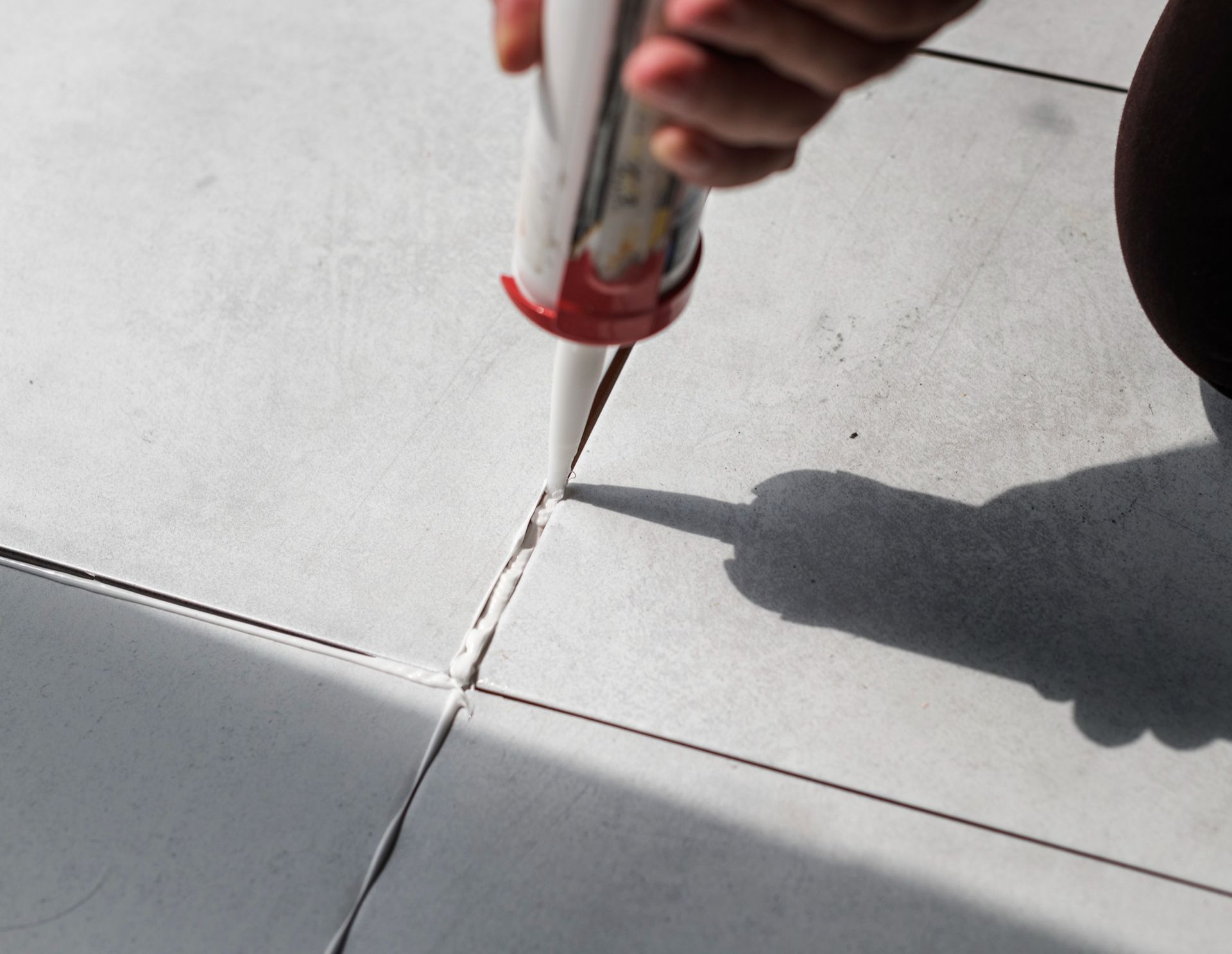
Potential Risks of Steam Cleaning Unsealed Grout or Damaged Surfaces
The most common problems linked to steam cleaning tile systems are not the tile itself. They are moisture management, grout condition, and what the heat does to the materials around the tile. If the grout is unsealed or heavily worn, it can absorb water and suspended soil during steaming. That can lead to blotchy grout color, recurring dinginess, or rapid re soiling because the pores remain open.
Steam can also interact with topical coatings and some sealers. Penetrating sealers are designed to sit below the surface and are less likely to peel, but they still can be reduced over time by repeated aggressive cleaning, including frequent high heat. Topical sealers and coatings are more vulnerable. If a floor has a coating that is already failing, steam can accelerate peeling or hazing.
Higher risk scenarios
- Unsealed cement grout in showers: Steam can add moisture to already damp assemblies, which can contribute to mildew conditions if drying is slow.
- Cracked grout or missing grout: Steam may drive moisture into gaps, potentially reaching thinset or substrate.
- Loose tiles or compromised substrate: Heat and moisture can worsen existing bond failures.
- Repeated steaming without proper rinse and extraction: Loosened soils can be redistributed and absorbed back into grout pores.
- Using attachments that focus intense steam in one spot: Overheating can stress sealers and create uneven appearance.
Another risk is what happens after steaming. If you do not change pads frequently, you can spread the same soil across the floor. If you do not dry the surface, especially in humid environments, grout can remain damp longer, increasing the chances of discoloration or microbial growth. Steam is not automatically a sanitizing solution if the surface stays wet for extended periods or if soils are not physically removed.
Signs you should pause steam cleaning and reassess
- Grout stays dark for a long time after cleaning.
- Grout becomes powdery, sandy, or soft when rubbed.
- White residue appears on grout lines after drying, which can indicate salts or moisture movement.
- Haze develops on the tile surface that does not buff off easily.
Recommended Porcelain Tile Cleaning Methods for Long Term Tile and Grout Care
The best porcelain tile cleaning methods follow a simple principle. Clean often with low impact products, and deep clean periodically with the right chemistry and tools. Steam can be part of a long term plan, but it should not be the only tool, and it should not replace the basics.
1) Routine maintenance (weekly or as needed)
- Dry soil removal: Sweep or vacuum with a hard floor setting to remove grit that can cause micro scratching.
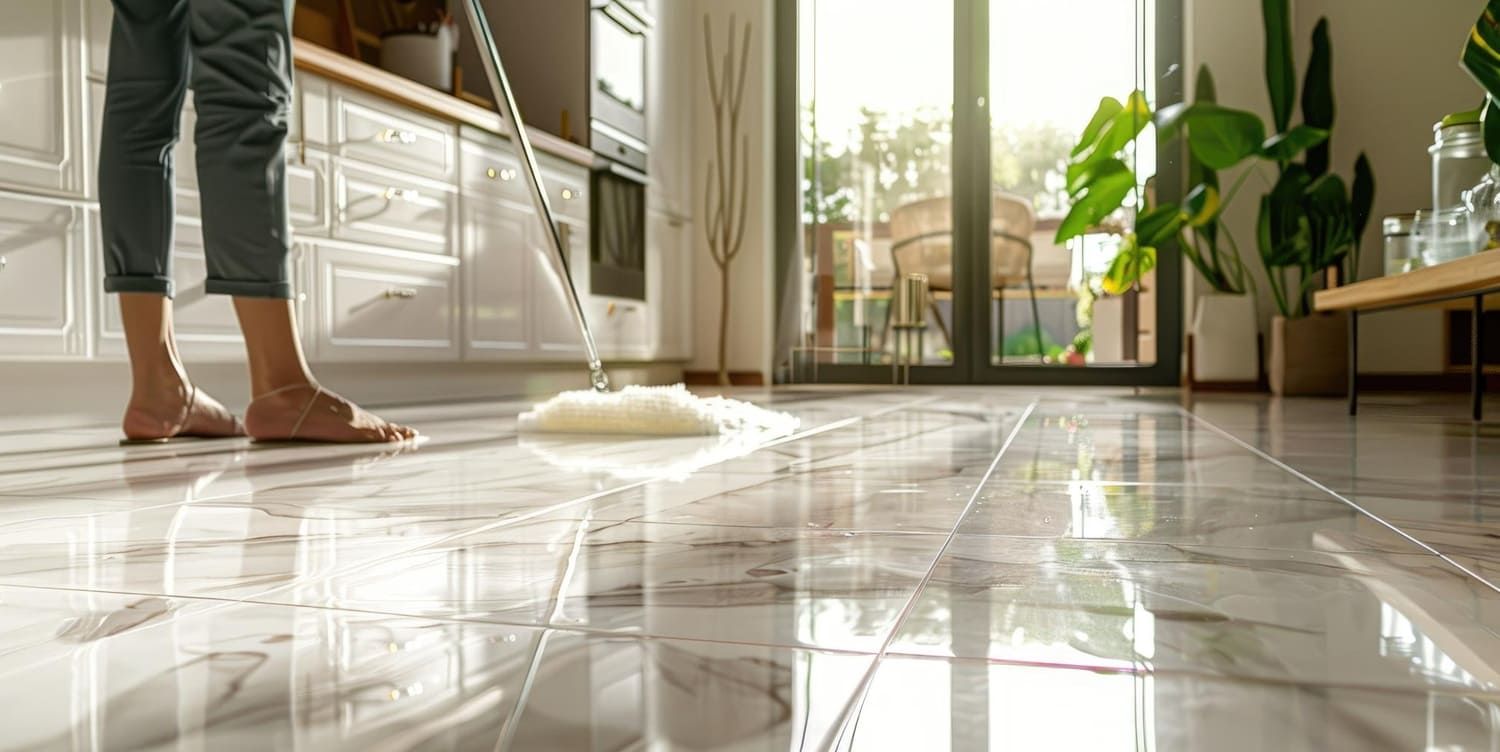
- Damp mop: Use a pH neutral tile cleaner and a microfiber mop. Avoid leaving excess water on the floor.
- Rinse when necessary: If the floor feels sticky or looks dull, follow with a clean water rinse and dry.
2) Periodic deep cleaning (monthly to quarterly depending on traffic)
- Use targeted chemistry: Kitchens often need an alkaline cleaner for grease. Bathrooms often need a soap film and mineral management strategy.
- Agitate grout lines: A soft grout brush can lift soil without damaging grout.
- Extract or wipe away: Pick up suspended soil using clean microfiber towels or wet vacuum extraction when available.
3) Steam as a controlled enhancement
- Use steam after dry soil removal and after applying an appropriate cleaner when needed.
- Keep passes short and controlled, then wipe dry immediately.
- Change pads frequently to avoid spreading soil.
Maintenance timeline (example for a busy home)
- Weekly: Sweep or vacuum; damp mop with neutral cleaner.
- Monthly: Deep clean high traffic lanes and grout lines; spot treat stains.
- Every 6 to 12 months: Evaluate grout sealer performance; re seal as needed.
- As needed: Use steam cleaning for targeted areas after confirming grout is intact and drying conditions are good.
Importance of Sealing Grout to Prevent Staining and Moisture Penetration
Sealing grout is one of the most effective ways to reduce staining, make routine cleaning easier, and improve long term appearance. Cement based grout contains capillaries that absorb liquids. When grout is unsealed, spills can soak in quickly and leave dark staining that is difficult to remove. In wet spaces, unsealed grout can also hold moisture longer, which can encourage discoloration or microbial growth depending on conditions.
A quality penetrating sealer reduces absorption while still allowing vapor transmission. That balance is important. You want the grout to resist staining, but you do not want to trap moisture beneath the surface. For most residential floors, a penetrating sealer is the preferred approach. For showers and other constantly wet assemblies, follow the installation and waterproofing best practices and then use sealing as an additional layer of stain resistance rather than as a replacement for proper waterproofing.
How to tell if grout needs to be sealed again
- Water drop test: Place a few drops of water on clean grout. If the grout darkens quickly, it is absorbing and likely needs resealing.
- Staining patterns: Dark traffic lines or persistent spots after cleaning can indicate open pores.
- Cleaning effort: If grout seems to re soil quickly, the protective barrier may be reduced.
Typical sealing frequency
- Low traffic residential floors: Often every 12 to 24 months depending on cleaner choice and wear.
- High traffic homes and commercial spaces: Often every 6 to 12 months.
- Showers: Varies widely. Focus on ventilation, squeegee routines, and periodic evaluation of sealer performance.
Steam cleaning and sealers
- Occasional steam cleaning on well sealed grout is often fine.
- Frequent steaming, especially with intense heat and slow passes, can reduce the lifespan of some sealers over time.
- If you notice the water drop test failing sooner after repeated steam use, adjust frequency and reseal using a high quality grout sealing product.
How Professional Grade Cleaners and Sealers Protect Tile Surfaces
For durable results, cleaning chemistry and sealer selection matter. Many issues attributed to steam are actually caused by residues from improper cleaners, overuse of soaps, or harsh products that leave films or degrade grout. Professional grade products are formulated to clean effectively while minimizing residue and protecting the integrity of grout and tile systems.
ADVANCED Sealers and Cleaners focuses on high performance cleaning and protection solutions designed to support long lasting tile, stone, and grout surfaces. When paired with a sound maintenance routine, the right products can reduce staining, simplify future cleaning, and help surfaces keep their intended appearance.
Cleaning strategy using professional products (conceptual framework)
- Daily or weekly: Use a residue controlled, pH balanced cleaner for routine porcelain tile maintenance.
- Deep cleaning: Use targeted cleaners based on soil type, such as grease removal for kitchens or soap film management for bathrooms. Always rinse or wipe away loosened soil.
- Protection: Apply a penetrating grout sealer to reduce absorption and staining, then maintain with compatible cleaners that do not leave sticky films.
Steam versus traditional methods: where each fits best
- Best use of steam: Targeted deep cleaning of grout lines and textured porcelain in good condition, with quick wipe up and dry down.
- Best use of traditional neutral cleaning: Routine cleaning to prevent buildup and extend sealer life.
- Best use of stronger chemistry: Periodic restoration of heavily soiled grout, performed with proper dilution, agitation, and removal.
Practical step by step: safe steam cleaning workflow
- Inspect: Check for cracked grout, loose tile, or areas that stay damp. Address repairs before deep cleaning.
- Dry clean: Remove loose grit with vacuum or sweep.
- Pre treat when needed: Apply an appropriate cleaner to problem areas, especially grease or soap film zones.
- Steam in controlled passes: Keep the head moving and avoid focusing heat on one spot for long periods.
- Wipe and capture soil: Immediately wipe with clean microfiber, changing pads often.
- Rinse if necessary: If you used cleaner, do a light rinse and wipe dry.
- Dry down: Improve ventilation and allow the surface to fully dry.
- Evaluate sealing: Perform the water drop test after the surface is dry. If absorption is high, plan to reseal with grout sealing products.
FAQ: Steam Cleaning, Grout Safety, and Maintenance
Is steam cleaning safe for porcelain tile?
In most cases, yes. Porcelain is dense and heat tolerant, but safe results depend on grout condition, installation integrity, and using controlled passes with immediate wipe up.
Is steam cleaning safe for grout lines?
It can be, especially for sealed and intact grout. Unsealed, cracked, or weak grout is more likely to absorb moisture and soil, which can lead to discoloration or long drying times.
Does steam cleaning damage grout?
Steam does not automatically damage grout, but repeated high heat on compromised grout can contribute to weakening. The bigger issue is often over wetting, which can cause blotchy color or encourage moisture problems in wet areas.
Can steam cleaning remove grout sealer?
Over time, frequent aggressive steam cleaning may reduce the lifespan of some sealers. If water begins absorbing quickly after cleaning, reseal with a high quality penetrating sealer from ADVANCED Sealers and Cleaners.
How often should grout be sealed?
Many homes reseal every 12 to 24 months. High traffic areas and commercial spaces may need resealing every 6 to 12 months. Use a water drop test on clean, dry grout to confirm.
What are the best porcelain tile cleaning methods for everyday maintenance?
Use dry soil removal plus a pH neutral cleaner and microfiber mop. Avoid soaps that leave residue and avoid overusing harsh chemicals that can degrade grout or leave films.
What should I avoid when cleaning porcelain tile and grout?
Avoid leaving excess water on the floor, using overly acidic or overly alkaline products without guidance, and using abrasive pads that can scratch some finishes. Also avoid focusing steam on one spot for too long.
Does steam cleaning kill mold in grout?
Steam can help reduce surface microbes, but lasting mold prevention depends on removing soil, keeping grout dry, and controlling humidity. In showers, use ventilation and squeegee routines to reduce moisture retention.
Why does grout look darker after steam cleaning?
Temporary darkening is often moisture absorption. If grout stays dark for a long time, it may be unsealed, overly porous, or affected by moisture below the surface. Allow full dry down, then evaluate sealing.
What products should I use for tile and grout maintenance?
Choose residue controlled cleaners designed for tile and stone, and protect grout with proven grout sealing products . ADVANCED Sealers and Cleaners offers professional grade cleaners and sealers formulated to protect tile, stone, and grout while supporting long term appearance.
Conclusion
Steam cleaning can be a safe and effective tool for porcelain tile and grout when the tile system is in good condition, the grout is intact, and the technique is controlled. The safest approach is to keep the steamer moving, avoid over wetting, capture loosened soil immediately, and prioritize drying so grout does not stay damp. If grout is unsealed or worn, steam may highlight absorption problems and discoloration, which is a sign that deep cleaning and grout sealing should be part of the plan.
For durable results, focus on a complete routine that combines routine neutral cleaning, periodic deep cleaning, and protection through quality sealing. To strengthen your long term results and reduce staining, explore ADVANCED Sealers and Cleaners for professional grade cleaning and sealing products designed to protect tile, stone, and grout surfaces for long lasting performance and appearance.