

Should You Use pH-Neutral Cleaners on Stone and Tile? A Phoenix Homeowner's Guide
Natural stone and tile are some of the most beautiful surfaces you can put in a home, and some of the easiest to damage with the wrong cleaner. A splash of vinegar can leave a dull ring on a marble vanity. A strong bleach spray can slowly strip the sealer off a travertine shower. And in Phoenix, where hard water leaves spots and calcium on nearly every wet surface, it's tempting to reach for whatever cleaner works fastest.
So should you use pH-neutral cleaners on stone and tile? Yes. For routine cleaning, a pH-neutral cleaner is the safest and most effective choice for natural stone, sealed grout, and most tile. It removes everyday dirt and grease without etching stone, eroding grout, or breaking down the sealer that protects your surfaces. Stronger acidic or alkaline cleaners have a place, but only for specific problems and only on surfaces that can handle them.
This guide explains what pH-neutral really means, why it matters for each type of stone and tile, which common household cleaners cause the most damage, and when a specialty cleaner is the better call.
The Short Answer: Are pH-Neutral Cleaners Best for Stone and Tile?
Yes. pH-neutral cleaners, with a pH around 7, are the best choice for routine cleaning of natural stone, grout, and sealed tile. Acidic cleaners can etch marble, travertine, and limestone and erode cement grout, while strongly alkaline cleaners can strip sealers and leave residue. A pH-neutral cleaner removes dirt and grime while protecting the surface and its sealer.
What Does pH-Neutral Mean?
The pH scale runs from 0 to 14 and measures how acidic or alkaline a substance is.
- 0 to 6: Acidic. The lower the number, the stronger the acid. Vinegar and lemon juice fall here.
- 7: Neutral. Pure water sits at 7.
- 8 to 14: Alkaline (also called basic). Ammonia and bleach sit at the high end.
A pH-neutral cleaner sits at or very near 7. That means it cleans through surfactants and gentle cleaning agents rather than through chemical reactions with the surface itself. On stone and tile, that difference matters a lot.
Why pH Matters So Much for Stone and Tile
Every hard surface in your home reacts differently to acids and alkalis. Here's where the damage comes from.
Acids Etch Calcium-Based Stone
Marble, travertine, limestone, and onyx are made largely of calcium carbonate. Acids react with calcium carbonate and dissolve it on contact. The result is etching: dull, rough, or cloudy marks that look like water spots but are actually physical damage to the stone's surface. Sealer won't stop it, because sealers protect against staining, not acid reactions. Once a surface is etched, it often needs professional honing or polishing to restore.
Acids Also Wear Down Grout
Standard cement-based grout is alkaline. Repeated use of acidic cleaners slowly dissolves it, leaving grout lines recessed, sandy, and more porous. Porous grout stains faster and holds onto mildew in showers.
Strong Alkalis Strip Sealers and Leave Residue
Highly alkaline cleaners like bleach, ammonia, and heavy-duty degreasers can break down the sealers that protect stone and grout. Over time, surfaces that once repelled water and oil start absorbing them. Strong alkaline products can also leave a hazy film that dulls polished stone and attracts more dirt.
Phoenix Hard Water Makes It Worse
Phoenix has some of the hardest water in the country. Mineral spots, calcium crust, and efflorescence show up quickly on showers, backsplashes, and stone floors. Many homeowners respond by scrubbing with vinegar or acidic bathroom sprays, which is exactly the habit that etches stone and erodes grout. The better approach is regular pH-neutral cleaning plus a purpose-made calcium remover when buildup appears.
Which Stone and Tile Surfaces Need pH-Neutral Cleaners?
Not every surface is equally sensitive. Use this table as a quick reference.
| Surface | Acidic Cleaners | Strong Alkaline Cleaners | pH-Neutral Cleaners |
|---|---|---|---|
| Marble | Avoid; etches quickly | Use with caution; can dull polish and strip sealer | Recommended |
| Travertine | Avoid; etches quickly | Use with caution | Recommended |
| Limestone and onyx | Avoid | Use with caution | Recommended |
| Granite and quartzite | Use with caution; can weaken sealer | Use with caution | Recommended |
| Slate | Use with caution | Use with caution | Recommended |
| Saltillo and terra cotta | Avoid; porous and sealer-dependent | Avoid; can strip sealer | Recommended |
| Porcelain and ceramic tile | Tolerated for targeted jobs; grout still at risk | Tolerated for heavy degreasing | Recommended for routine care |
| Cement grout (sealed or unsealed) | Avoid; erodes grout | Use with caution; can strip grout sealer | Recommended |
The takeaway: porcelain and ceramic tile can handle stronger cleaners for occasional problem-solving, but the grout between them often can't. For everyday cleaning, pH-neutral is the right default for every surface in the table.
Common Household Cleaners That Damage Stone and Tile
Many popular cleaning shortcuts are hard on stone and grout. Here's how familiar products compare.
| Cleaner | Approximate pH | Risk to Stone and Tile |
|---|---|---|
| Lemon juice | About 2 | High; etches marble, travertine, and limestone |
| White vinegar | About 2.5 | High; etches calcium-based stone and erodes grout |
| Many bathroom and lime-scale sprays | Acidic (varies) | High on natural stone and grout |
| Bleach | About 11 to 13 | Can strip sealers and discolor grout |
| Ammonia-based cleaners | About 11 to 12 | Can dull polished stone and degrade sealers |
| Abrasive powders | Varies | Scratch polished stone and glazed tile |
| pH-neutral stone and tile cleaner | About 7 | Safe for routine cleaning when used as directed |
If you've been cleaning stone with vinegar or bleach for years, don't panic. Switch to a pH-neutral cleaner, check whether your surfaces still repel water, and reseal if needed.
When a Non-Neutral Cleaner Is the Right Choice
pH-neutral cleaners handle daily and weekly cleaning, but some problems need a more targeted product. The key is matching the cleaner to the problem and the surface.
Heavy Calcium and Hard Water Buildup
Neutral cleaners won't dissolve thick mineral scale. Traditional lime-scale removers are acidic and risky on stone. A better option is an acid-free calcium remover like ADVANCED Ultimate Cal Clean, which breaks down hard water spots, calcium buildup, and efflorescence on surfaces like glass shower doors, ceramic and porcelain tile, grout, and pool tile. Even acid-free formulas can affect some sensitive stones, so always test in a hidden spot first.
Grease and Oil in Kitchens and Garages
Built-up grease may need a stronger degreasing dilution. A multi-purpose product that stays non-acidic and non-caustic, used at a higher concentration for degreasing, gives you extra cleaning power without the risks of harsh chemicals.
New Installation Grout Haze
After a tile installation, installers sometimes use specialty haze removers on porcelain or ceramic. These products are for porcelain and ceramic only, not natural stone, and they should be used as directed by the installer or manufacturer.
How to Clean Stone and Tile With a pH-Neutral Cleaner
A good cleaner only works as well as the routine behind it. Here's a simple process for floors, showers, and countertops.
1. Remove Loose Dirt First
Sweep, dust mop, or vacuum floors before wet cleaning. Grit and sand act like sandpaper underfoot and scratch polished stone and glazed tile, especially in dusty desert homes.
2. Mix or Use the Cleaner as Directed
Follow the label exactly. With ADVANCED Ultimate Floor & More Cleaner concentrate, use about 1 oz per up to 5 gallons of water for routine pH-neutral mopping, and about 3 oz per gallon for deeper cleaning of grout, tile, and natural stone. Using more cleaner than needed doesn't clean better and can leave residue.
3. Clean With Soft Tools
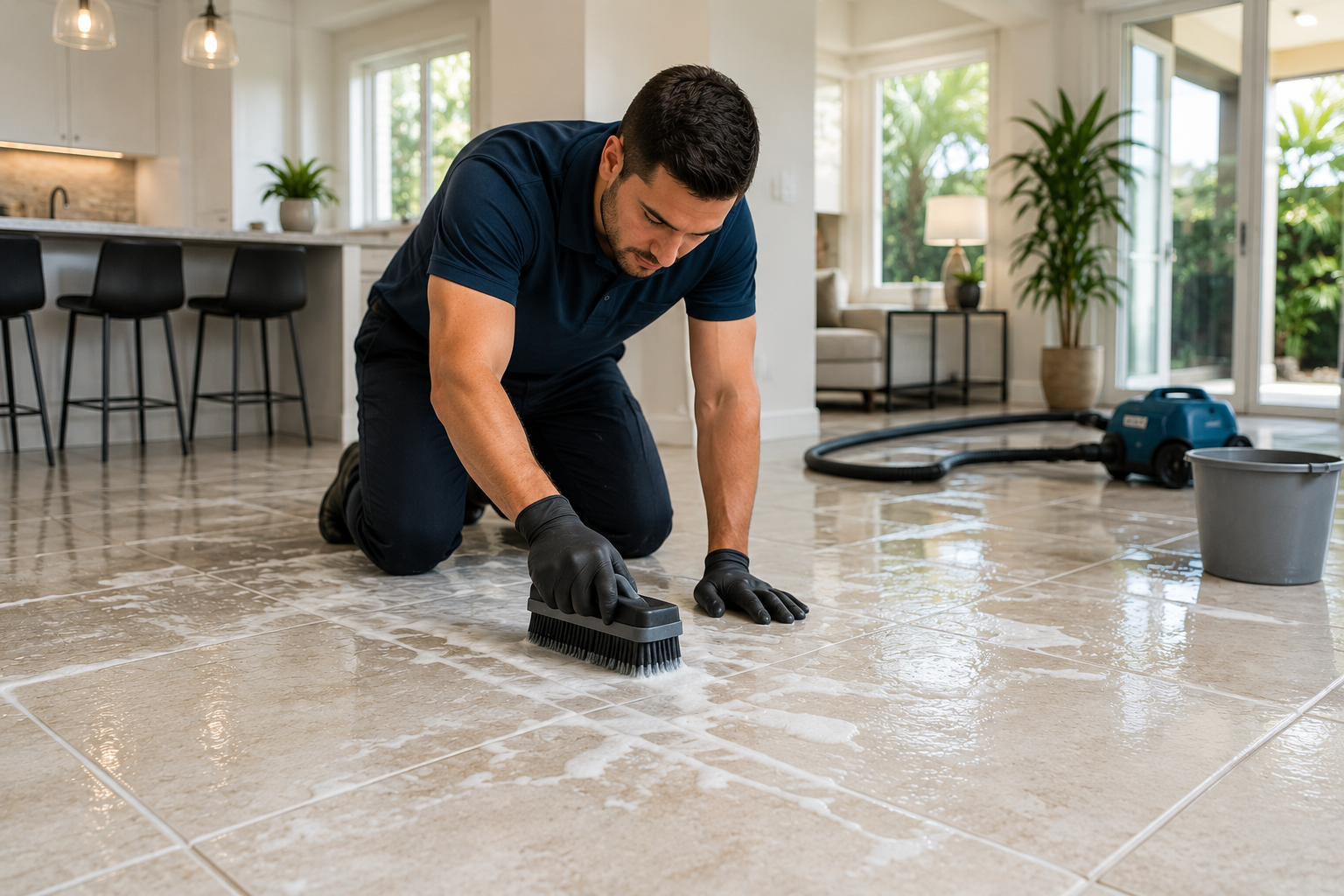
Use a microfiber mop or soft cloth for stone. For grout lines, a soft or medium nylon brush works well. Avoid steel wool and abrasive scrub pads on polished stone.
4. Rinse When Needed and Dry
For heavier cleaning sessions, rinse with clean water to remove loosened dirt. Then dry the surface with a microfiber cloth or towel. Drying is especially important in Phoenix, since evaporating hard water leaves mineral spots behind.
5. Wipe Up Spills Immediately
Wine, coffee, citrus, tomato sauce, and soda are acidic. On marble or travertine, blot spills right away rather than wiping, which spreads them.
6. Check and Maintain Your Sealer
Do a quick water test every few months. Drip a little water on the stone or grout. If it beads up, the sealer is working. If it darkens the surface and soaks in, it's time to reseal with a sealer made for that material.
pH-Neutral Cleaning Tips by Room
Different rooms bring different challenges. Here's how to adapt your routine.
- Kitchen countertops: Granite and stone counters see grease, crumbs, and acidic spills daily. A spray-and-wipe, non-acidic product like ADVANCED Ultimate Granite Clean & Seal cleans and refreshes the sealer with each use.
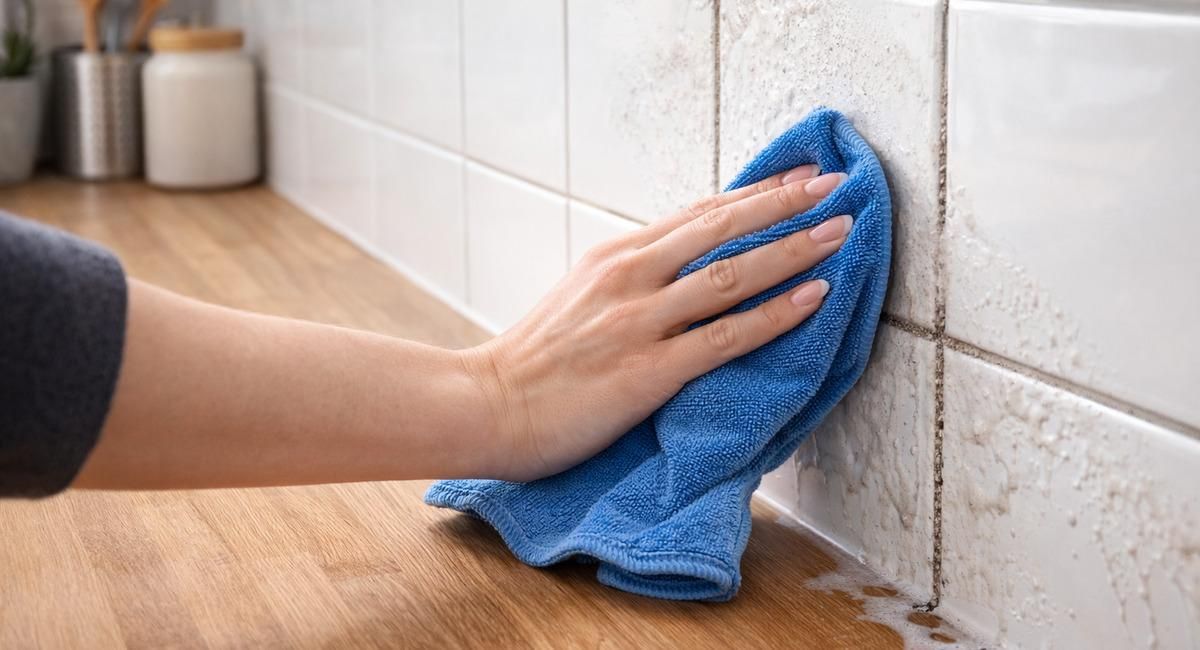
- Bathrooms and showers: Showers take more daily abuse than any other surface in a home, with soap scum, body oils, and hard water. Use a pH-neutral or purpose-made shower cleaner and squeegee glass and walls after each use to slow mineral buildup.
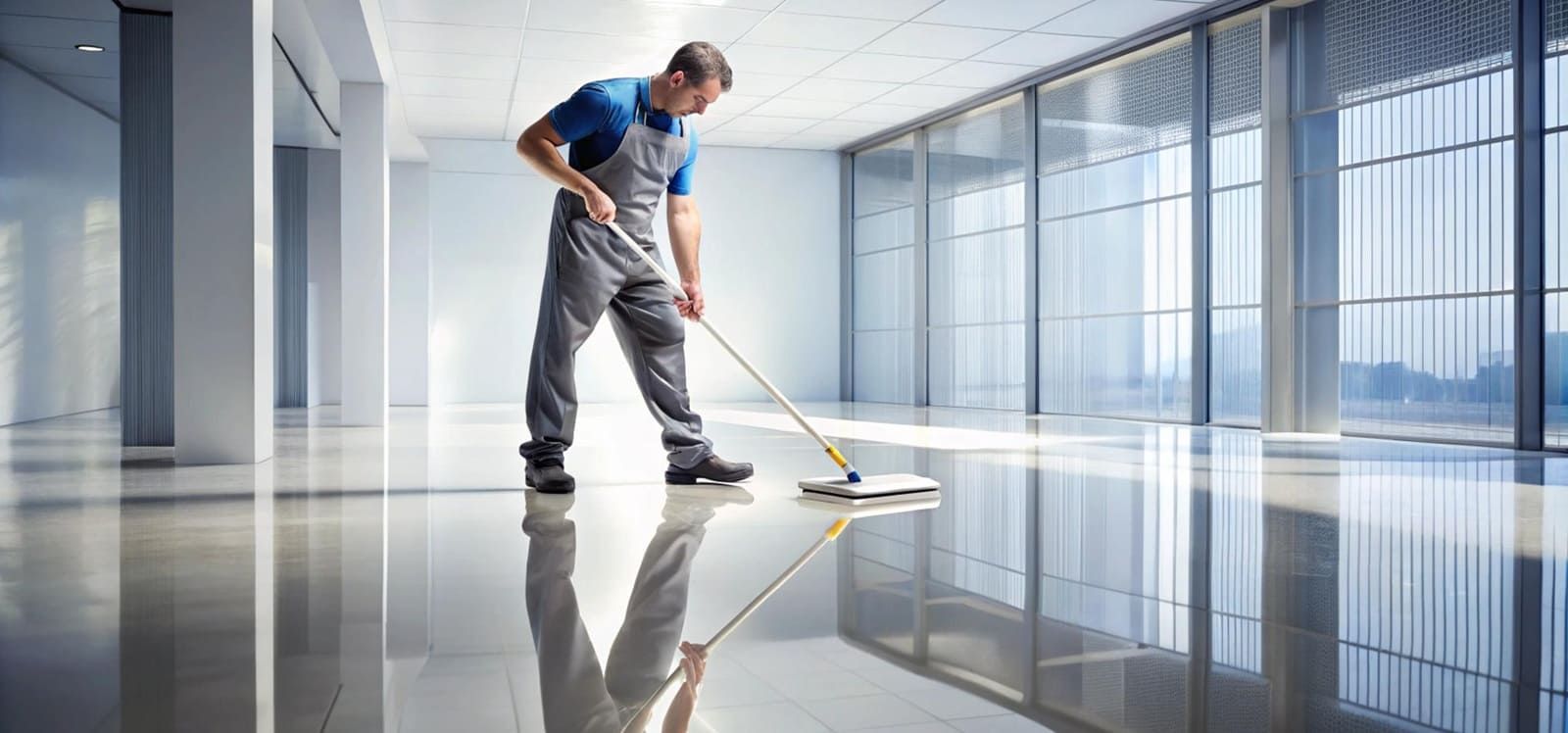
- Stone and tile floors: Mop with a diluted pH-neutral cleaner weekly, and dry mop daily in high-traffic areas.
- Porcelain, ceramic, and other hard floors: For quick, no-rinse cleaning, Flip Clean foaming floor cleaner covers up to 5,000 square feet per can on porcelain, ceramic, vinyl, laminate, and hardwood.
- Entryways and patios: Desert dust and grit get tracked in constantly. Use walk-off mats and sweep frequently to protect stone finishes.
How Sealing and pH-Neutral Cleaning Work Together
Sealer and cleaner are two halves of the same system. Sealer slows down how quickly water, oil, and stains penetrate stone and grout. pH-neutral cleaning keeps that sealer intact longer. Use harsh cleaners and you'll be resealing far more often. Use gentle, neutral cleaners and your sealer can do its job for its full service life.
If your surfaces need resealing, choose a product designed for the material. ADVANCED offers dedicated sealers for natural stone, travertine, granite, porcelain tile, and grout, including
Ultimate Fast Grout Seal, which was recognized by The Spruce among its best grout sealers.
Why Homeowners and Pros Choose ADVANCED Sealers and Cleaners
ADVANCED Sealers and Cleaners is a Phoenix-based manufacturer that develops cleaners and sealers for homes, businesses, hotels, restaurants, and commercial buildings. Here's what sets the line apart:
- AC Technology: ADVANCED's proprietary technology creates cross-linked formulas designed for strong performance with a high safety profile.
- Hybrid Formulation: Sealers designed to deliver the performance of solvent-based products with the easier use and safety profile of water-based products.
- Eco-friendly and low-VOC: Products built with respect for the environment and current regulations.
- True pH-neutral cleaning: Ultimate Floor & More Cleaner is non-caustic and non-acidic, and is formulated to be safe on floors, natural stone, countertops, showers, and more.
- A complete system: Clean, remove calcium, seal, and protect with products designed to work together.
- Made in the USA: Manufactured with consistent quality and backed by product data sheets and safety data sheets.
- Easy to find: Available from the ADVANCED online store, The Home Depot, Amazon, and retail partners.
Frequently Asked Questions About pH-Neutral Cleaners
What is a pH-neutral cleaner?
A pH-neutral cleaner has a pH of about 7, the same as pure water. It cleans with gentle surfactants rather than acids or harsh alkalis, so it removes dirt without reacting with stone, grout, or sealers.
Can I use vinegar to clean natural stone?
No. Vinegar is acidic and etches calcium-based stones like marble, travertine, and limestone. It also erodes cement grout over time. Use a pH-neutral stone cleaner instead.
Is bleach safe for tile and grout?
Occasional, diluted use on porcelain or ceramic is generally tolerated, but bleach can strip grout sealer, discolor colored grout, and harm natural stone. A pH-neutral cleaner is the safer choice for routine cleaning.
Do porcelain and ceramic tile need pH-neutral cleaners?
Porcelain and ceramic tile are durable, but the grout and sealers around them are not. pH-neutral cleaners are the best everyday choice for tiled floors, showers, and backsplashes.
How do I remove hard water stains without damaging stone?
Use an acid-free calcium remover designed for the job, and always test it in an inconspicuous spot first. For prevention, dry wet surfaces after use and clean regularly with a pH-neutral cleaner.
Will pH-neutral cleaners damage my sealer?
No. pH-neutral cleaners are designed to clean without breaking down sealers, which helps your sealer last longer than it would with harsh cleaners.
How often should I clean natural stone floors?
Dry mop or sweep daily in busy areas, and wet clean with a diluted pH-neutral cleaner about once a week. Wipe spills immediately, especially acidic ones.
Is dish soap safe for natural stone?
Mild dish soap is gentle, but it can leave a film that dulls polished stone and builds up over time. A dedicated pH-neutral stone and tile cleaner rinses cleaner and is formulated for these surfaces.
Protect Your Stone and Tile With the Right Cleaner
Stone and tile can last a lifetime when they're cared for properly, and the cleaner you choose plays a bigger role than most people realize. Make pH-neutral cleaning your everyday routine, save stronger products for specific problems on surfaces that can handle them, and keep your sealer in good shape. In Phoenix's hard water conditions, that combination keeps floors, showers, and countertops looking their best for years.
Ready to upgrade your cleaning routine? Shop
ADVANCED Ultimate Floor & More Cleaner,
Ultimate Granite Clean & Seal,
Ultimate Cal Clean, and our full line of stone and tile sealers at the ADVANCED online store, The Home Depot, Amazon, or a retailer near you. Have a question about the right product for your surfaces?
Call ADVANCED Sealers and Cleaners at (480) 499-3145 or email Info@2GetAdvanced.com.